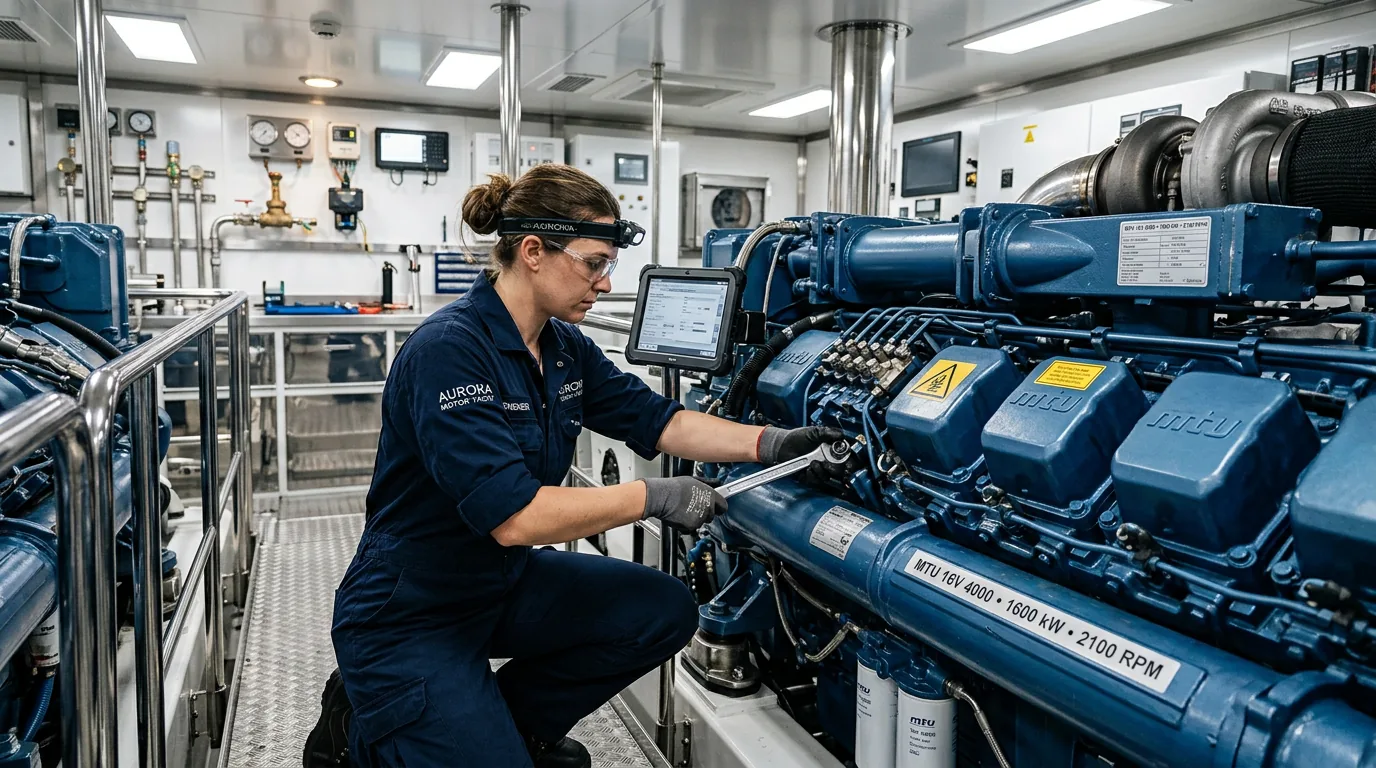
A smart maintenance schedule keeps your charter yacht working hard and earning money. You can boost your charter uptime from an average of 70% to 92% or more. This means fewer missed bookings and happier clients. By following daily, weekly, monthly, annual, and 5-year refit plans, you protect your investment and maximise your income.
Why does a strict maintenance schedule matter for your charter yacht?
A strict maintenance schedule is your best defence against lost bookings and unhappy guests. Imagine a €150,000 per week charter for a 45m superyacht in the South of France. If a critical component like an air conditioning unit fails mid-season due to neglected maintenance, you could lose that booking and future referrals. Such disruptions heavily impact your earning potential. You need to keep every system running perfectly, from the engines to the galley equipment, ensuring a flawless experience for every guest.
Consider a 24m motor yacht operating out of Palma de Mallorca, earning €40,000 per week. If unexpected repairs due to poor maintenance cause a two-week cancellation during peak season, you lose €80,000 in revenue. Beyond direct financial losses, a reputation for reliability builds trust and repeat business. A well-maintained yacht also retains its value better, making it more attractive for resale down the line. You safeguard your investment and secure your income by staying on top of all maintenance tasks.
What daily checks should you complete on your charter yacht?
You should start each day with a thorough check of your yacht's vital systems. Before guests wake, inspect the engine room for any leaks and check fluid levels مثل oil, coolant, and hydraulic fluid. Ensure all bilge pumps are operating correctly and that bilges are dry. Test navigation equipment, communication systems, and safety gear like life rafts and fire extinguishers. These quick checks prevent small issues from becoming major problems during a busy charter day in locations like the Greek Isles.
Additionally, you must perform visual inspections of the yacht's exterior and interior. Check mooring lines and fenders for wear and tear, especially if anchored in busy ports like Porto Cervo. Ensure all deck equipment, such as tenders and water toys, are securely stowed and in good working order. Inside, make sure all guest areas are clean, functional, and ready for use. Addressing these minor points daily guarantees a smooth operation and a premium guest experience.
Which weekly tasks keep your yacht charter-ready?
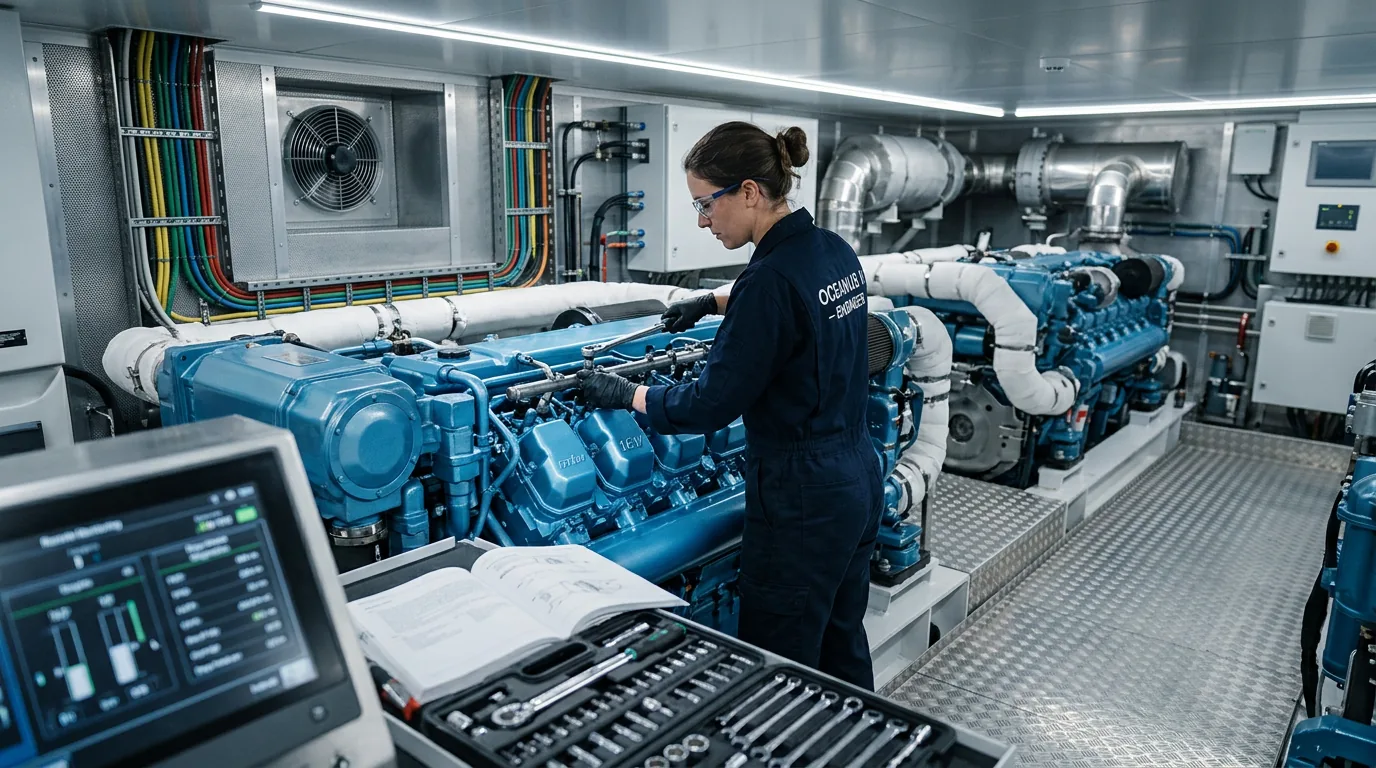
Each week, you need to dedicate time to more detailed checks and preventative actions beyond the daily routine. Focus on engine room systems; change fuel filters, inspect belts and hoses for signs of wear, and check battery levels and connections. Have your crew clean air conditioning sea strainers and flush seacocks. These actions are crucial, especially when your yacht is heavily used, perhaps shuttling guests between Capri and the Amalfi Coast, demanding peak performance.
You should also perform a deeper inspection of the yacht's exterior and tender. Clean and inspect all stainless steel, polish brightwork, and check teak decking for any signs of damage or excessive wear. Service tenders and PWC’s, ensuring their engines are running smoothly and that safety equipment onboard is up-to-date. Regular underwater checks, either by diving or using a remote camera, help identify issues with props or anodes before they escalate and impact your schedule.
What monthly maintenance ensures long-term reliability?
On a monthly basis, you should schedule more comprehensive preventative maintenance that goes deeper than weekly checks. Examine all seacocks and through-hull fittings for integrity and corrosion. Inspect the steering and autopilot systems, checking for any play or unusual noise. Test all pumps – water, waste, and bilge – to confirm they are drawing and discharging correctly. These system checks are vital for a 35m yacht navigating the strong currents of the Adriatic Sea, ensuring every part performs under pressure.
Additionally, you must service all safety equipment, including checking expiry dates on flares, servicing life rafts, and inspecting fire extinguishing systems. Review and update charts and navigation software. For a luxury charter yacht, you also need to ensure all guest amenities, from hot tubs to entertainment systems, are fully operational and performing as expected. A well-documented monthly log helps you track maintenance and catch potential issues before they cause costly downtime.
How do annual refits protect your investment?
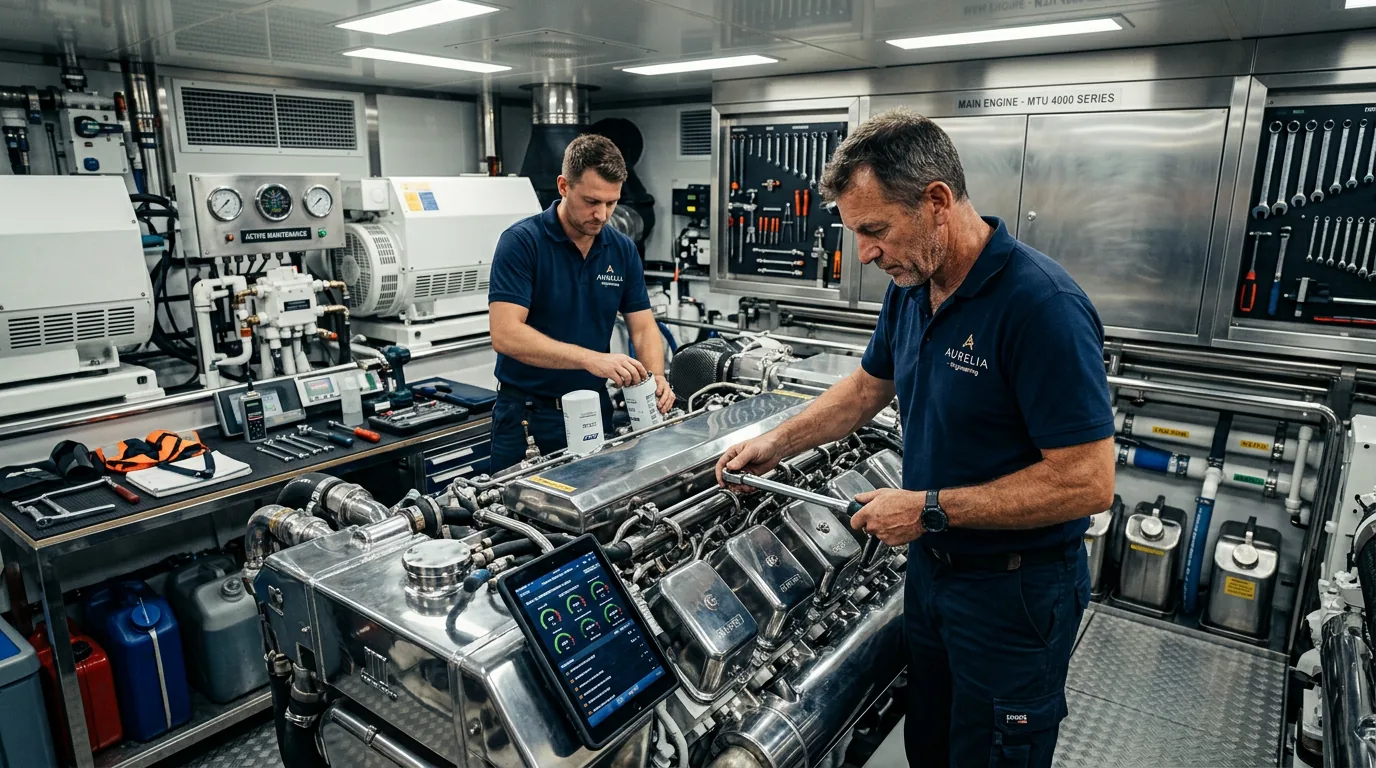
An annual refit is your most critical defence against major failures and ensures your yacht remains competitive and safe. Typically, this involves hauling out the yacht to inspect the hull, running gear, and underwater lighting. You should service or replace cutlass bearings, propeller shafts, and anodes. The main engines and generators undergo extensive servicing, including oil changes, filter replacements, and system checks by certified technicians. This annual investment, often ranging from €50,000 to €200,000 for a 30m yacht, is non-negotiable.
During this period, you will also address cosmetic wear and tear, from hull polishing and antifouling to interior touch-ups and upholstery cleaning. All safety equipment is professionally serviced, certificates are updated, and systems are tested. For a 40m yacht operating year-round between the Caribbean and Mediterranean, meticulous annual maintenance ensures maximum charter uptime and guest satisfaction. You protect your asset's value and ensure it continues to command premium rates.
What is involved in a 5-year major refit for a charter yacht?
Every five years, your charter yacht requires a major refit, often costing millions of euros for larger vessels. This extensive overhaul goes beyond annual maintenance, addressing major systems and aesthetic upgrades. You might plan for engine and generator overhauls, replacement of major electrical components, and significant structural inspections. This ensures the yacht meets all regulatory requirements and maintains its luxury appeal, crucial for a €300,000-per-week superyacht based in Monaco, attracting high-net-worth clients.
During this comprehensive refit, you typically update interior soft furnishings, perhaps full repaint of the hull and superstructure, and upgrade navigation and entertainment systems. For a 50m superyacht, this might be a €3 million to €5 million investment, but it is essential for extending the vessel's lifespan, maintaining its top-tier charter appeal, and safeguarding its resale value. Such a planned large-scale investment helps you avoid unexpected, much larger costs later on.
Key Benefits of a Disciplined Maintenance Plan
- Increased Uptime:: You can boost your charter availability from a typical 70% to consistently over 90%, directly translating into more bookings and higher revenue.
- Reduced Costs:: You avoid expensive emergency repairs and extended downtime by catching small issues before they become major problems, saving you thousands in unexpected bills.
- Enhanced Safety:: You ensure all your yacht's systems and safety equipment are always in peak condition, protecting your guests, crew, and investment.
- Higher Guest Satisfaction:: You deliver a seamless, problem-free charter experience, leading to delighted guests, positive reviews, and valuable repeat bookings.
- Protected Asset Value:: You maintain your yacht's premium condition, protecting its resale value and ensuring it remains a competitive asset in the luxury charter market.
Charter Yacht Maintenance Schedule: Impact on Uptime and Revenue
This table shows how different levels of fleet maintenance directly affect your charter yacht's operational uptime and potential revenue over a typical 12-week peak season in the Mediterranean, using a 30m yacht earning €80,000 per week as an example.
| Maintenance Level | Annual Uptime | Weeks Lost to Downtime | Lost Revenue (Peak Season) |
|---|---|---|---|
| Reactive (Breakdown Only) | 70% | 3.6 weeks | €288,000 |
| Basic (Annual Haul-out) | 85% | 1.8 weeks | €144,000 |
| Proactive (Daily/Weekly/Monthly) | 92% | 0.96 weeks | €76,800 |
| Optimised (All Cycles + Refit Planning) | 95%+ | 0.6 weeks | €48,000 |
Frequently Asked Questions
How often should engine oil be changed on a charter yacht?
You should change the engine oil and filters on main engines and generators according to the manufacturer's recommendations. For heavily used charter yachts, this usually means every 200-250 engine hours or at least annually during your refit, whichever comes first. Regular oil analysis can also help you determine the optimal interval and detect potential engine issues early.
What is the typical cost of an annual haul-out for a 25m yacht?
For a 25m yacht, you can expect an annual haul-out and antifouling to cost between €25,000 to €75,000 in yards like those in La Ciotat or Genoa. This figure includes the haul-out, pressure washing, antifouling application, anode replacement, and propellor servicing. Any additional repairs or class surveys would add to this cost.
How can I minimise emergency repairs during the charter season?
You minimise emergency repairs by strictly following a proactive maintenance schedule: daily, weekly, and monthly checks. Train your crew thoroughly to identify and report issues early. Keep a well-stocked inventory of common spare parts onboard. Invest in high-quality components and preventative servicing rather than waiting for breakdowns to occur.
Does good maintenance affect my yacht's resale value?
Yes, absolutely. A yacht with a comprehensive and well-documented maintenance history commands a significantly higher resale value. Potential buyers will pay more for a vessel where they can see clear evidence of careful upkeep and regular servicing. It shows you respected the asset and will attract serious buyers faster.
What certifications or inspections are required for a charter yacht?
You typically need various certifications depending on your yacht's flag state, size, and operating area. These can include MCA (Maritime and Coastguard Agency) compliance, class society surveys (e.g., Lloyd's Register, RINA), safety equipment certificates, and regular flag state inspections. You must ensure all certificates are current and valid before commencing any charter.
Key Takeaways
- You must implement a detailed daily, weekly, monthly, annual, and 5-year maintenance plan for your charter yacht.
- You can increase your yacht's charter uptime from 70% to more than 90% through proactive maintenance.
- You will save significant money by preventing breakdowns, as emergency repairs are far more costly than scheduled maintenance.
- You will enhance guest satisfaction and loyalty by consistently providing a perfectly operational yacht experience.
- You will protect your yacht's long-term asset value and ensure it remains competitive in the luxury charter market.
Explore related insights: Maximise Your Yacht's ROI, Strategies for Fleet Utilisation, Yacht Charter Profit Margins. For a confidential charter revenue review, contact our advisory team.
Put this on autopilot. Our yacht marketing platform publishes your fleet across 11 channels, captures every inquiry and reports revenue per vessel. See how the engine works →