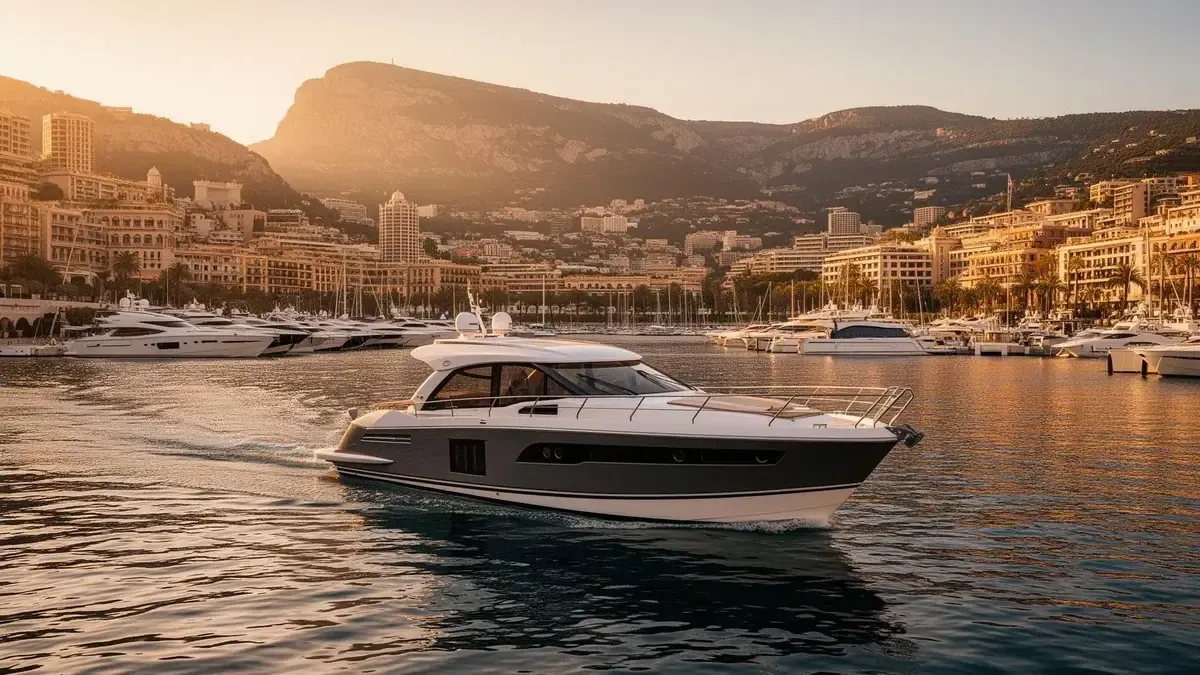
Day Charter
High-Frequency, High-Margin —
The Volume Opportunity.
Luxury on a condensed timeline — commanding premium per-hour rates with high turnover and lower operational overhead.
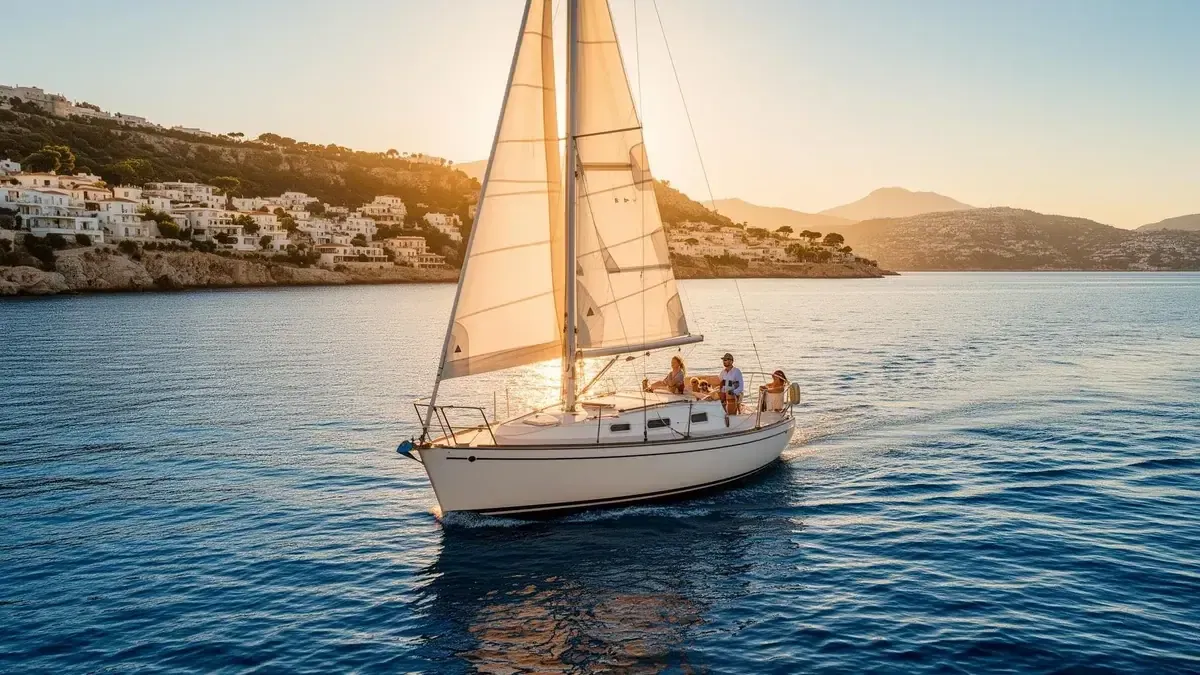
Market Economics
The Gateway Product That Builds Lifetime Value.
Day charters convert first-timers into weekly charter clients at 4× the rate of digital marketing alone. See the framework →
Revenue Benchmarks
Typical Day Charter Economics
Industry-standard rate ranges for day charter operations in high-traffic destinations.
Half-Day Rate
$2,000–$8,000
4-hour harbour & coastal cruises
Full-Day Rate
$5,000–$15,000
8-hour island hopping & sunset trips
Peak Season Premium
+30–50%
Summer months & holiday weekends
Weekly Turnover
4–6 charters
High-frequency volume opportunity
Ancillary Revenue
20–35%
F&B, water toys, photography
Operating Margin
35–55%
Lower crew & provisioning overhead
What's Different About Day Charter
A Retail Business, Not a Bespoke One.
OTA & Marketplace Distribution
Day charter inventory sells through GetMyBoat, Sailo, Viator, Klook, and Booking.com Experiences — plus hotel concierge referrals — not through yacht brokers. Commission structures are 15–25% per booking, and volume follows category ranking, review count, and dynamic pricing far more than brand prestige.
3–5 Turnovers per Vessel per Day
The economic engine is turn-time, not day-rate. A well-run 60ft day-charter yacht in Ibiza or Miami runs a morning half-day, an afternoon half-day, and a sunset cruise back-to-back — three separate revenue events on one vessel, one crew shift. This changes crew scheduling, provisioning cadence, and slip-turnaround discipline entirely.
Per-Hour Yield Is the Highest in Charter
A 60ft day-charter yacht at $8,000 for a 4-hour cruise generates $2,000/hour of revenue — 3–4× the per-hour yield of a $150K weekly crewed charter on a comparable hull. Day charter is not a smaller version of weekly charter; it's a fundamentally different unit economics model.
Retail Consumer, Not UHNW Client
The typical day-charter client is a tourist group, birthday celebration, bachelor/ette party, or corporate day-out — not a UHNW individual. Marketing is Instagram, TikTok, hotel concierge cards, and Google Maps listings, not luxury magazine placements or broker roadshows. The psychographic and channel mix is closer to a boutique hotel than a superyacht operator.
F&B and Water-Toy Upsell Dominates Margin
Base charter fee typically covers only 65–75% of per-booking gross revenue. The uplift comes from prosecco packages, sushi platters, jet-ski add-ons, snorkel gear, professional photography, and DJ hire — high-margin add-ons that convert at 60%+ when presented at booking. Operators that treat F&B as an afterthought leave 25–35% of revenue uncaptured.
Port State Passenger-Vessel Rules Bite
Day charter operates under passenger-vessel regulations in most jurisdictions — MCA Passenger Cat 6 in the UK, USCG COI in the US, ENAV in Italy — with hard caps on passenger count (usually 12 for uninspected, 100+ for inspected), certified safety equipment, and per-passenger liability insurance minima. A yacht coded for weekly crewed charter is often not legal for retail day-boat operation without recoding.
Day Charter FAQ
How many day charters per vessel per season is realistic?
Top-performing 45–70ft day-charter vessels in Ibiza, Miami, Dubai, or Mykonos operate 380–520 individual charter events per season across full-day, half-day, and sunset formats. Average-market operators run 180–260. The gap is almost entirely booking-funnel and turn-time discipline: OTA ranking, review velocity, dynamic pricing, and 20-minute-turnaround crew choreography.
What licensing lets us actually run day charter legally?
Requirements vary dramatically by port state. UK: MCA Small Commercial Vessel Cat 6 for coastal, Cat 4/2 for further offshore, plus a Boatmaster's Licence for the skipper. US (Florida/Miami): USCG Certificate of Inspection (COI) for >6 passengers, or a Six-Pack for uninspected charter, plus captain OUPV or 100-Ton Master. Balearics/Spain: charter licence (Lista 6ª) with Capitanía Marítima registration. Never assume a weekly-crewed coding qualifies for day operation — usually it does not.
Where does day-charter margin actually come from?
Structural margin lives in three places: (1) turn-time — every extra rotation per day is pure margin because fixed costs are already covered by charter one; (2) F&B and water-toy upsell — these carry 60–80% gross margin and convert on 55–70% of bookings when presented pre-departure; (3) direct booking share — every point of direct booking recovered from OTA saves 15–25% commission. Operators optimising all three run 45–55% net margins; those relying on OTA discovery alone run 25–30%.
Is day charter a good gateway to weekly charter clients?
Yes — measurably. Best-in-class operators track a 6–11% conversion rate from day-charter clients into subsequent weekly crewed charter bookings within 18 months, versus 0.4–0.9% for cold digital acquisition. The critical mechanic is a structured post-charter nurture (personalised follow-up, curated weekly-charter recommendations, first-time-charter incentives), not passive assumption that the day client will 'come back for more'.
Explore Other Verticals
Revenue Architecture Across Every Niche
Bareboat Charter
Self-skippered freedom across the Med & Caribbean.
View vertical →Catamaran Charter
Twin-hull stability & the fastest-growing segment.
View vertical →Dive Charter
Purpose-built liveaboard expeditions to remote reefs.
View vertical →Gulet Charter
Heritage craftsmanship on the Turquoise Coast.
View vertical →Corporate & Events
Superyachts as exclusive floating venues.
View vertical →Maximise Your Day Charter Fleet Revenue
Volume-driven revenue architecture designed for harbour-based fleets.
Request Strategic Audit