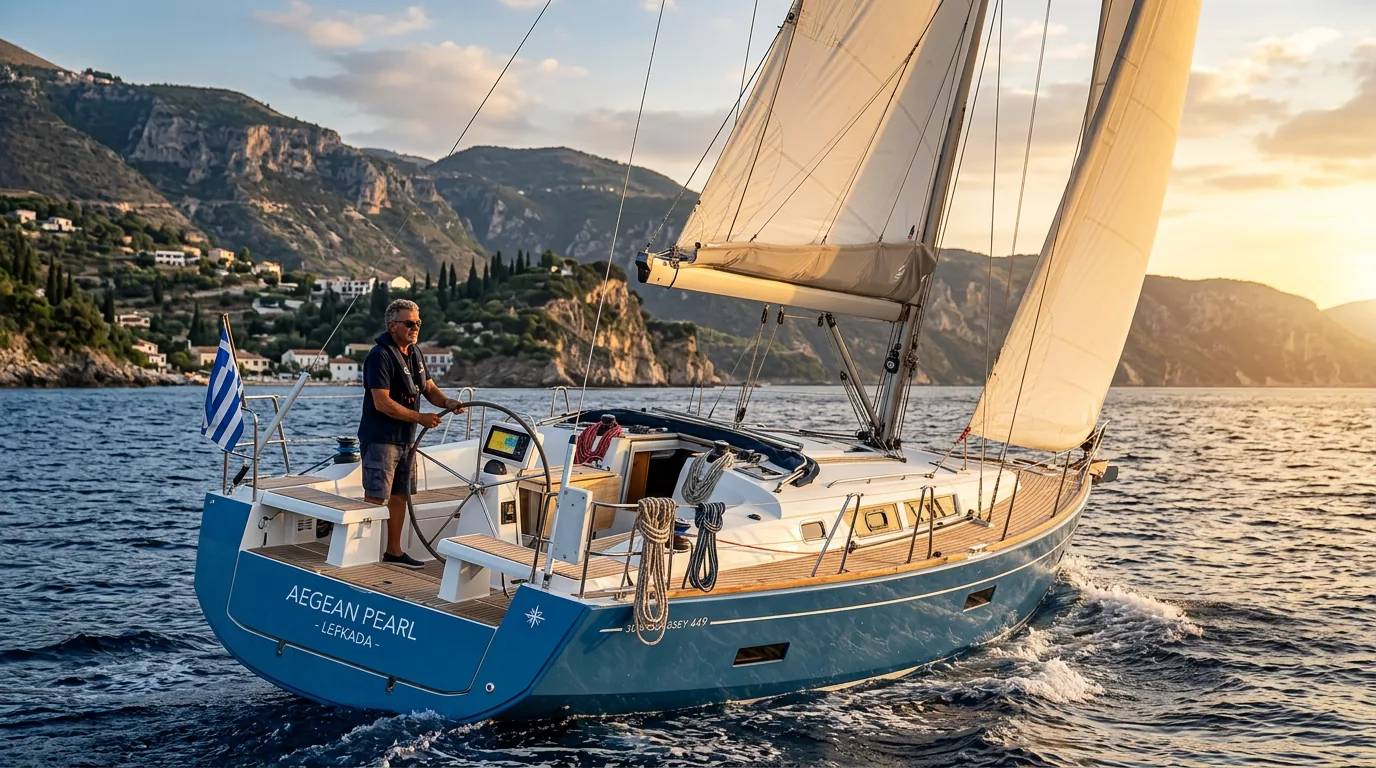
You want to sail a yacht yourself, without a professional crew on board. This is called a bareboat charter. You need proper sailing qualifications like the ICC. Weekly bareboat rates start around €2,500 for a smaller 32-foot monohull. Prices can easily go over €15,000 for a larger catamaran. Select your yacht carefully based on your skills and planned sailing area for a great holiday.
What Sailing Qualifications Do You Need for a Bareboat Charter?
You must prove you can safely handle a yacht to charter bareboat. Most charter companies in the Mediterranean and Caribbean require an International Certificate of Competence (ICC). This certificate shows you have the necessary skills for coastal waters. If you do not have an ICC, some companies accept other national certificates like the RYA Day Skipper or Yachtmaster if you also hold a VHF radio licence. Always check with your chosen charter company exactly what they need before you book. For example, in Croatia, you commonly need an ICC plus a VHF licence. Greece has similar requirements, though sometimes accepts a valid national sailing licence. You risk losing your booking deposit if you cannot show valid paperwork when you arrive to pick up your yacht in destinations like Palma, Mallorca, or Split, Croatia.
You should know that different countries have different rules. For instance, in some parts of Italy, you need a sailing licence that allows you to operate a boat beyond a certain distance from shore, often 6 or 12 miles. For some yachts over 15 metres, you might even need a higher-level licence. Always carry your original licences and certificates with you; photocopies usually won't work. It's also a good idea to have a maritime resume detailing your sailing experience, including the types of yachts you've skippered, the areas you've sailed, and the conditions you've faced. This extra step helps your charter company understand your skill level and can make the check-in process smoother.
How Much Does a Bareboat Sailing Charter Cost?
Bareboat charter costs vary greatly depending on the yacht size, type, age, and the sailing season. For a 32-foot monohull, like a Dufour 32 or a Beneteau Oceanis 32, expect to pay around €2,500 to €4,000 per week in the low season (April/May, October) in a popular area like the Ionian Sea in Greece. During peak season (July/August), the same yacht could cost you €4,500 to €6,000 per week. Larger yachts, such as a 45-foot Bavaria Cruiser or a Jeanneau Sun Odyssey 440, could cost €5,000 to €9,000 in low season and €9,500 to €15,000 in peak season. Remember, these prices usually do not include fuel, provisioning, port fees, or final cleaning, which are extra costs you need to budget for.
Catamarans are generally more expensive than monohulls due to their increased space and stability. A 40-foot catamaran, like a Lagoon 40 or a Fountaine Pajot Lucia 40, will typically cost you between €6,000 and €10,000 per week in low season and €12,000 to €18,000 in peak season. For a larger 50-foot catamaran, you are looking at €12,000 to €20,000 in low season and €25,000 to €40,000 in peak season. Consider booking well in advance, especially for peak season charters, to secure better rates and your preferred yacht. Last-minute bookings might lead to higher prices or limited availability, particularly in high-demand destinations like the British Virgin Islands or the Dodecanese islands in Greece.
Which Bareboat Yachts Are Best for Different Skill Levels?
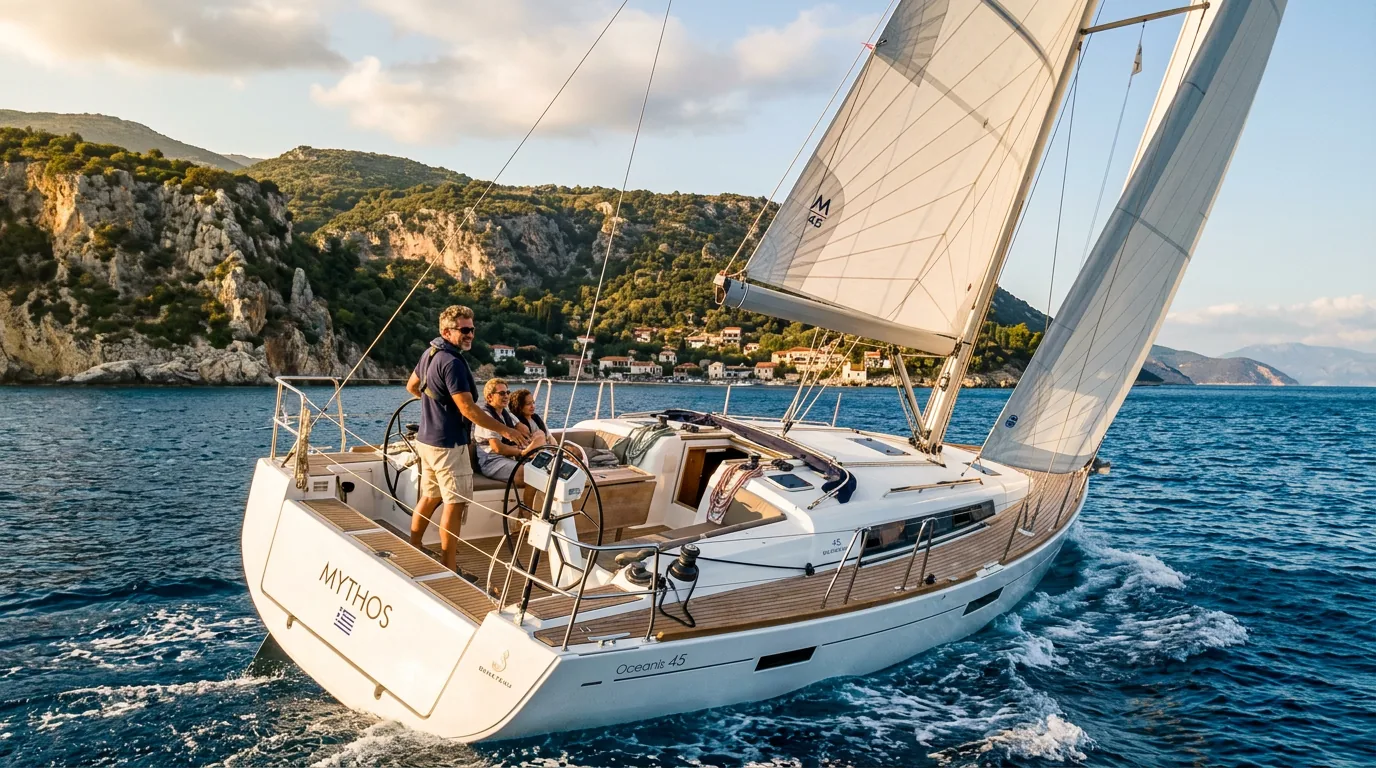
You should choose a yacht that matches your sailing experience. If you are newer to bareboat charters, start with a smaller, simpler monohull, perhaps 32 to 38 feet. These yachts are easier to handle, moor, and manoeuvre in tight spaces. They also generally come with less complex systems, making them ideal for building your confidence. Good choices include a Beneteau Oceanis 38, Jeanneau Sun Odyssey 349, or a Bavaria 36. These models offer a good balance of performance, comfort, and ease of handling, especially in popular cruising grounds with good infrastructure like the Saronic Gulf in Greece or the west coast of Scotland.
If you have more experience, you can consider larger monohulls up to 50 feet or catamarans. Larger yachts offer more space, comfort, and often better sailing performance, but they also require more skill to manage sails, anchor, and navigate. Catamarans, while stable and spacious, are wider and need careful handling in marinas. Models like a Lagoon 450 or a Bali 4.1 are excellent choices for experienced sailors looking for comfort and speed. Always consider the conditions you expect to encounter; a heavier displacement monohull might be better for choppier seas, while a catamaran excels in calm, clear waters of the Caribbean like the Grenadines.
What Are the Top Bareboat Sailing Destinations?
The Mediterranean Sea offers numerous fantastic bareboat sailing destinations. Croatia, with its thousands of islands and stunning coastline, is a favourite. You can explore the Kornati Islands National Park or dock in historic towns like Hvar or Korčula. Greece provides endless island hopping in areas like the Cyclades, Ionian, or Dodecanese, offering a mix of vibrant culture and serene coves. Italy's Amalfi Coast and Sardinia, and Turkey's Turquoise Coast from Göcek or Marmaris, also offer magnificent sailing experiences, with rich history, delicious food, and beautiful anchorages. Expect consistent summer breezes, especially in the Aegean Sea.
Beyond the Mediterranean, the Caribbean is a prime winter bareboat destination. The British Virgin Islands (BVI) are famous for their easy line-of-sight navigation, protected anchorages, and incredible snorkelling spots. You can sail between islands such as Tortola, Virgin Gorda, and Jost Van Dyke, enjoying consistent trade winds. Other excellent Caribbean options include St. Vincent and the Grenadines, which offer more challenging sailing and secluded beauty, or the Grenadines and Martinique for a mix of French culture and pristine beaches. Each region offers unique experiences, from the vibrant markets of the Caribbean to the ancient ruins of Greece, ensuring a memorable bareboat adventure.
How Do You Handle Pre-Charter Planning and Logistics?
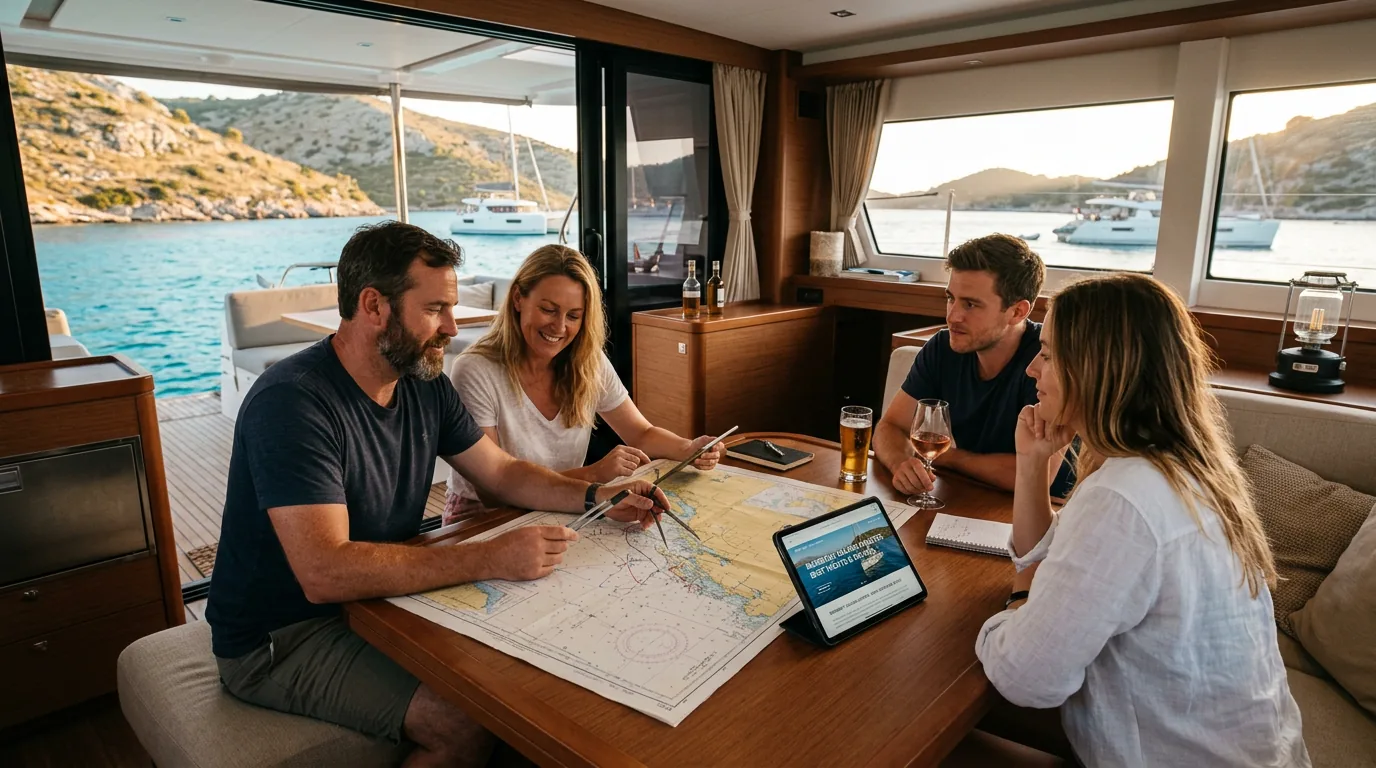
You must plan for your bareboat charter well in advance to ensure a smooth trip. First, confirm all your crew's sailing qualifications and collect copies of their passports and any required sailing licences. Book your flights and transfers to the marina. Many charter companies offer airport transfers or can recommend local taxi services. Create a detailed provisioning list for food and drinks, considering local availability at your departure port. You can often pre-order provisions to be delivered to your yacht, saving valuable time on your first day. Finalise your itinerary, including planned anchorages and marinas, but remain flexible to adapt to weather changes.
Before you even step on board, ensure you have travel insurance that covers sailing holidays. You will also typically pay a security deposit, often between €1,500 and €5,000, which covers potential damage to the yacht. Understand the charter company's handover procedures and ask about essential safety equipment onboard. Familiarise yourself with local navigation rules, weather patterns, and any restricted sailing zones. Don't forget small but important items like sun cream, hats, and appropriate non-marking shoes for on deck. A thorough pre-charter checklist prevents last-minute stress and allows you to enjoy your holiday from the moment you arrive.
What Should You Expect During Yacht Handover and Check-out?
When you arrive at the base, the charter company will conduct a thorough handover. You will receive a briefing on the yacht's systems, including the engine, electrics, plumbing, and navigation equipment. You will also get a detailed chart briefing for the local sailing area, covering potential hazards, recommended anchorages, and local regulations. Carefully check all safety equipment, such as life jackets, flares, and fire extinguishers. Take photos or videos of any pre-existing damage, however minor, to avoid disputes later. Ask questions if anything is unclear; it is your responsibility to understand how all systems work and where everything is located. This process can take several hours.
At the end of your charter, you must return the yacht on time and in good condition. The charter company will perform a check-out inspection, comparing the yacht's condition to the handover report. Ensure you have refuelled the yacht's tanks; otherwise, you will pay a higher rate for the company to do it. Clear all rubbish and leave the yacht reasonably tidy. If any damage occurred, report it honestly. Your security deposit covers breakages or damage not covered by insurance. Be prepared for a debriefing where you can provide feedback on your charter experience. A smooth check-out ensures a prompt return of your security deposit, minus any agreed deductions.
Essential Items to Pack for Your Bareboat Charter
- Licences & Documents: Your original sailing licence (ICC, RYA, etc.), VHF radio licence, passports, and travel insurance.
- Clothing: Lightweight, breathable clothing, swimsuits, rash guards, hat, sunglasses, light jacket for evenings.
- Footwear: Deck shoes with non-marking soles, flip-flops or sandals, water shoes for exploring rocky coves.
- Navigation Tools: Paper charts (usually supplied by charter company but good to have), pilot books, binoculars, portable GPS or marine apps.
- Personal Kit: Sun cream (high SPF), insect repellent, seasickness remedies, basic first-aid kit, personal medications.
Bareboat Sailing Charters: Mediterranean vs. Caribbean Comparisons
Compare key aspects of bareboat sailing experiences in two of the world's most popular charter regions.
| Feature | Mediterranean (e.g., Greece) | Caribbean (e.g., BVI) |
|---|---|---|
| Sailing Season | April to October (Peak: July/August) | November to July (Peak: December–April) |
| Typical Weekly Cost (40ft Monohull Peak Season) | €7,000 - €12,000 | USD $6,000 - $10,000 |
| Navigation Style | Coastal cruising, historic ports, varied winds | Line-of-sight, easy island hopping, steady trade winds |
| Culture & Cuisine | Ancient history, varied European cuisines | Relaxed island vibe, fusion of Creole and international food |
| Popular Yacht Types | Monohulls, smaller catamarans | Catamarans, larger monohulls |
Frequently Asked Questions
Can I charter a bareboat yacht without any sailing experience?
No, you cannot. Bareboat charters require at least one person on board to hold a recognised sailing qualification, such as the ICC or RYA Day Skipper. You are responsible for the yacht's safety and navigation. If you lack experience, you can hire a professional skipper for an extra daily fee, typically €150-€250 per day, turning your bareboat into a skippered charter. This allows you to learn while enjoying the trip.
What is included in the bareboat charter price?
The base bareboat charter price usually includes the use of the yacht for the agreed period and basic safety equipment. It typically does not include fuel, provisioning (food and drinks), port or marina fees, water, final cleaning, or any optional extras like outboard engines for dinghies, stand-up paddleboards, or additional sailing insurances. Always check your contract carefully for a full list of inclusions and exclusions.
Do I need to clean the yacht at the end of the charter?
You typically do not need to deep clean the yacht, as a professional final cleaning service is often a mandatory extra cost, ranging from €100 to €300 depending on yacht size. However, you must leave the yacht tidy, dispose of all rubbish, and empty food lockers. Failure to do so might result in additional charges. The aim is to return the yacht in a reasonable state, ready for the cleaning crew to prepare it for the next charter.
Can I charter a bareboat catamaran?
Yes, you can charter bareboat catamarans. They are very popular due to their stability, spaciousness, and shallow draft, allowing access to secluded anchorages. However, catamarans are wider and can be more challenging to manoeuvre in crowded marinas. Charter companies often require more extensive experience or a higher-level qualification for larger catamarans. Prices for bareboat catamarans are generally higher than for monohulls of a similar length.
What happens if there is bad weather during my charter?
As the skipper, you are responsible for monitoring weather forecasts and making safe decisions. Charter companies provide local weather information and advice. If severe weather is expected, you might need to change your itinerary, seek a protected anchorage, or even stay in a marina. In rare cases where the charter company deems conditions unsafe before you depart, they might offer alternative dates or a refund. Your contract outlines specific terms for such situations.
Key Takeaways
- You must hold valid qualifications like an ICC or RYA Day Skipper with VHF licence to charter a bareboat yacht.
- Bareboat costs range from €2,500/week (32ft monohull, low season) to over €40,000/week (50ft catamaran, peak season).
- Match your yacht choice to your experience: start with smaller monohulls (e.g., 32-38ft) if you are less experienced.
- Top destinations include the Croatian islands, Greek Cyclades, British Virgin Islands, and St. Vincent and the Grenadines.
- Plan critically: confirm licences, budget for extras (fuel, provisions, port fees), and understand handover procedures.
Explore related insights: Learn more about different yacht types to find your perfect bareboat., Understand the differences between bareboat and crewed charters., Discover how to book your first yacht charter with confidence., Get a full breakdown of yacht charter costs and APA fees.. For a confidential charter revenue review, contact our advisory team.
Put this on autopilot. Our yacht marketing platform publishes your fleet across 11 channels, captures every inquiry and reports revenue per vessel. See how the engine works →