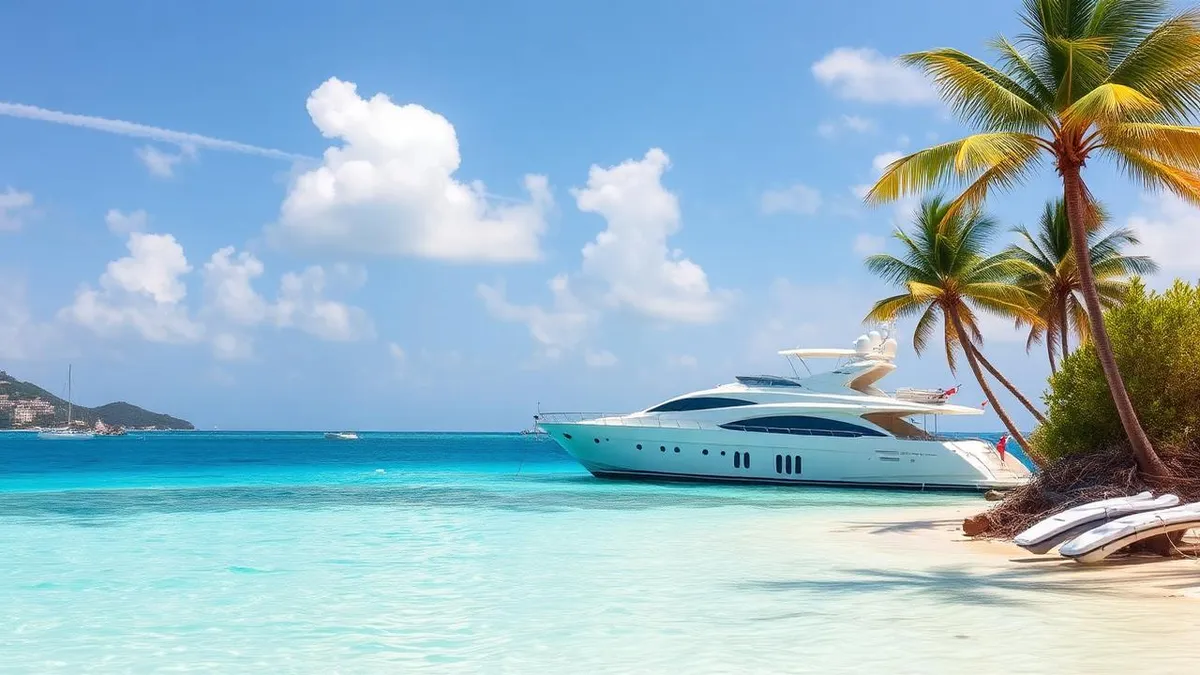
For yacht charter operators worldwide, the Caribbean winter season (November–March) represents the single most important revenue window of the year. Many operators generate 60% or more of their annual revenue in just five months. Understanding the pricing strategies, repositioning logistics, and booking patterns that define success in the Caribbean is essential for any operator with transatlantic ambitions.
The Revenue Concentration Problem
The Caribbean's revenue concentration creates both opportunity and risk. A superyacht that earns €2.5 million in annual charter revenue will typically generate €1.5 million+ between mid-November and late March. This means that every empty week during the Caribbean season costs disproportionately more than an empty week in the Mediterranean shoulder season. The financial pressure to fill Caribbean weeks is intense — and operators who manage this pressure poorly end up discounting prematurely.
The data shows that operators who fill 85%+ of their Caribbean weeks do so through early marketing (August–September campaigns), repeat guest priority booking, and strategic event-based positioning. Those who wait until October to begin Caribbean marketing consistently underperform.
Destination Revenue Hierarchy
St. Barts: The Revenue King
St. Barts during the holiday season (December 20 – January 5) commands the highest charter rates in the Western Hemisphere. A 50m motor yacht positioned in Gustavia can achieve €400,000–€600,000 for a two-week holiday booking — rates that exceed even Monaco Grand Prix levels. The island's cache, limited marina capacity, and concentration of UHNW visitors create pricing power that no other Caribbean destination matches.
Beyond the holiday window, St. Barts maintains premium rates through February, driven by events like the St. Barts Bucket Regatta and the island's persistent appeal to the fashion and entertainment industries. Operators who secure Gustavia berth allocation 12+ months in advance gain decisive competitive advantage.
British Virgin Islands: Volume and Value
The BVI represents the Caribbean's highest-volume charter market, driven by exceptional cruising grounds and well-developed charter infrastructure. Rates are more moderate than St. Barts (€80,000–€180,000/week for 30–50m vessels), but utilisation rates are among the highest in the industry. The BVI season extends from November through April, providing six full months of strong demand. Catamaran charters dominate this market, representing over 50% of all BVI bookings.
Antigua, Bahamas, and the US Virgin Islands
Antigua's charter show in December serves as the industry's Caribbean opening bell, generating significant booking activity for the season ahead. The Bahamas — particularly the Exumas — offer unmatched natural beauty and are increasingly popular with American UHNW clients seeking proximity (2-hour flight from Miami). The USVI provides a convenient base with US customs advantages that simplify operations for American-flagged vessels. For first-time Caribbean charterers, our booking guide covers everything from cost breakdown to packing essentials.
The Transatlantic Repositioning Decision
The decision to reposition from the Mediterranean to the Caribbean is one of the most consequential in charter management. The transatlantic crossing typically costs €50,000–€120,000 (fuel, crew, provisioning, insurance) and requires 10–18 days in transit. This investment must be recovered from Caribbean charter revenue — meaning the season needs to generate at least 6–8 charter weeks at premium rates to justify the repositioning.
For vessels that can command €150,000+/week in the Caribbean, the math is clear. For smaller vessels or those positioned in lower-rate markets, the decision is nuanced. Some operators opt for a Canary Islands winter season as a compromise — lower revenue potential than the Caribbean but with zero transatlantic costs and access to a growing market of European winter-sun charterers.
Pricing the Caribbean Season
Caribbean pricing should follow a clear tiered structure:
Holiday (Dec 20 – Jan 5)
+50–80% above peak
Peak (Jan 6 – Mar 31)
Standard peak rate
Early Season (Nov 1 – Dec 19)
−10–20% below peak
Late Season (Apr 1 – Apr 30)
−15–25% below peak
The holiday premium is the single most important pricing decision of the season. Operators consistently underestimate holiday demand — a 50% premium often leaves money on the table when demand exceeds supply by 3:1 or more. Dynamic pricing data from the past three seasons suggests the optimal holiday premium is 60–80% for vessels in the €150,000+/week segment.
Operational Excellence in the Caribbean
Caribbean operations present unique challenges. Provisioning is more expensive and less reliable than in the Mediterranean — fresh produce, premium wines, and speciality ingredients must often be shipped from Miami or sourced from limited local suppliers. Crew retention is harder (the Caribbean social scene creates distractions), and weather patterns require flexible itinerary management during hurricane transition months.
The operators who excel in the Caribbean invest in pre-season logistics: provisioning partnerships with Miami-based suppliers, advance berth reservations at key marinas, and crew preparation programmes that address the specific demands of Caribbean chartering. These investments — typically €20,000–€40,000 per season — prevent the operational disruptions that erode guest satisfaction and rebooking rates.
Maximising the Full Calendar
The most profitable charter operations view the year as a single revenue architecture, not as two disconnected seasons. A vessel that operates 16 weeks in the Mediterranean (May–September), repositions to the Caribbean for 12 weeks (November–February), and fills transition weeks with corporate events during October and March can achieve 28–30 charter weeks per year. At an average rate of €150,000/week, that's €4.2–€4.5 million in annual charter revenue — with margins of 45–55% for well-managed operations.
Optimise your seasonal revenue architecture
Request a Strategic Charter Audit →Put this on autopilot. Our yacht marketing platform publishes your fleet across 11 channels, captures every inquiry and reports revenue per vessel. See how the engine works →