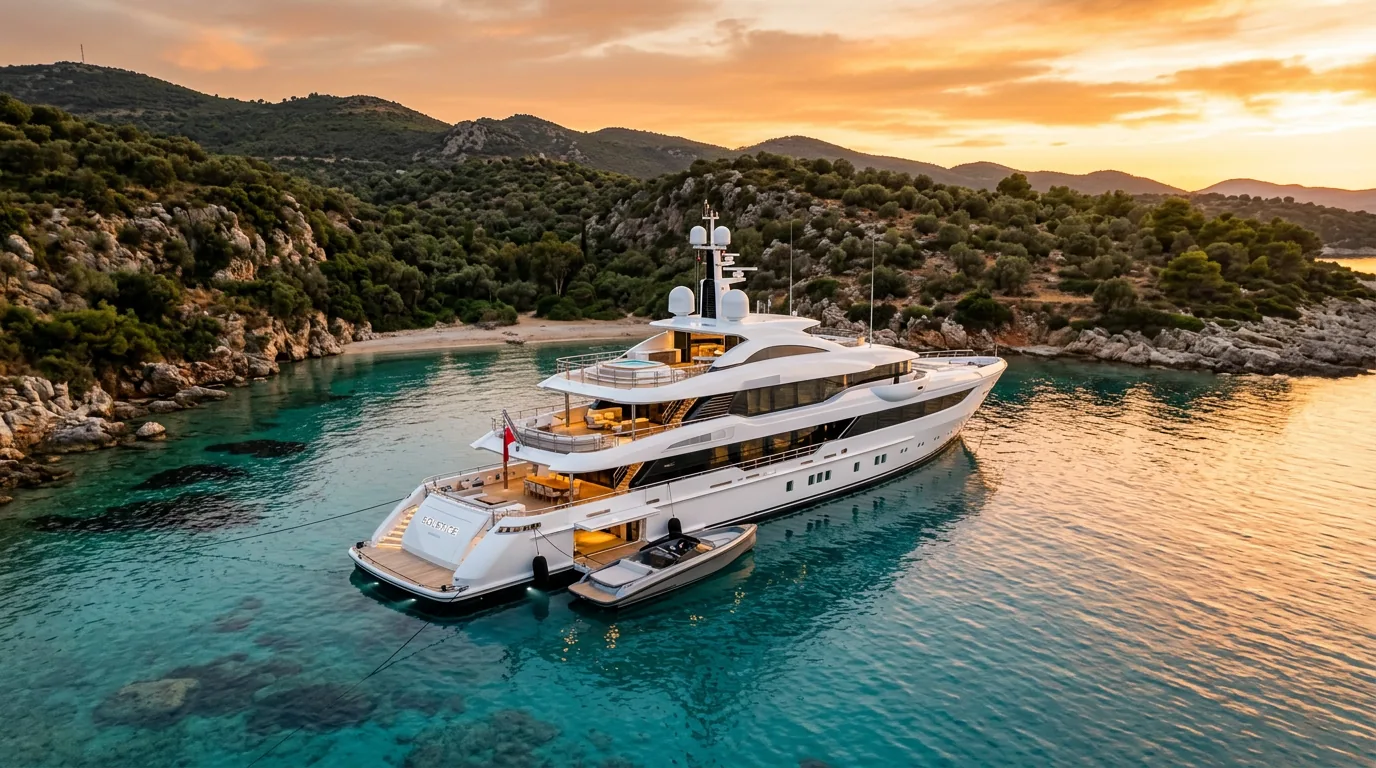
You can generate income from a charter yacht, but this is a complex undertaking. Expect fluctuating returns influenced by yacht type, management, and market demand. While not a guaranteed profit venture, astute management can offset costs and potentially yield a net positive, generally within a 2-5% ROI range.
What are the common ownership models?
You typically encounter two primary ownership models: private use with occasional charter, and full-time charter operation. Private use minimises charter income but retains maximum personal access. You might charter for 4-8 weeks annually, yielding €50,000 to €200,000, largely covering operational costs. You retain significant personal enjoyment and control, accepting lower financial returns.
Full-time charter operation prioritises income. You typically place your yacht with a charter management company, targeting 8-16 weeks of bookings per year. This model aims to generate €200,000 to €800,000+ annually, depending on yacht size and market. You relinquish more personal use, but gain a dedicated crew and professional marketing to maximise charter revenue, managing maintenance and operational cycles efficiently.
What are the initial capital requirements?
Your initial capital commitment for a luxury charter yacht is substantial. Expect to pay between €3,000,000 and €40,000,000 for a well-maintained, charter-ready vessel (25m - 50m). New builds can exceed €100,000,000. Finance options exist, requiring 20-40% down payment, so prepare €600,000 to €16,000,000 cash for a financed purchase. This capital outlay directly impacts your eventual Return on Investment (ROI).
Additionally, budget 1.0-2.5% of the purchase price for closing costs, surveys, and initial outfitting. This translates to an extra €30,000 to €1,000,000. Ensure you account for these upfront costs as they reduce your initial net capital position. You must also budget for immediate crew hiring, insurance, and provisioning before the first charter commences.
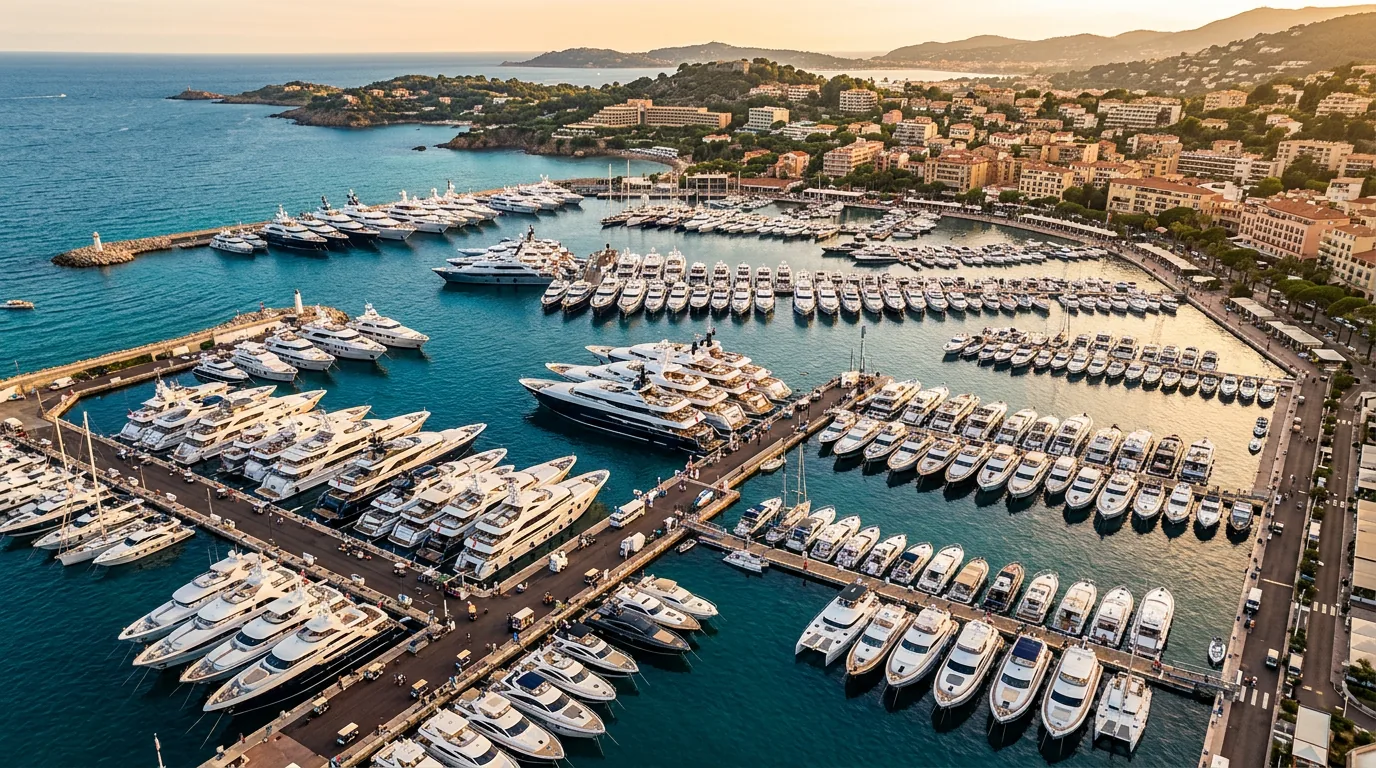
What are the typical annual operating costs?
You should anticipate annual operating costs ranging from 10-15% of your yacht's value, assuming a 30m vessel. For a €10,000,000 yacht, this means €1,000,000 to €1,500,000 annually. Crew salaries are a major component, often 50-60% of total operating expenses, ranging from €300,000 - €800,000 for a 5-8 person crew. This must be managed meticulously.
Other significant costs include fuel (€50,000 - €200,000+), dockage and port fees (€40,000 - €150,000), insurance (€30,000 - €100,000), maintenance and repairs (€100,000 - €400,000), provisions, and management fees (15-20% of net charter income). Your diligent oversight of these expenses is crucial to maintaining profitability and ensuring your vessel remains in prime condition for charter guests.
How does charter revenue get distributed?
When your yacht charters, the gross charter fee is typically split through several deductions. Firstly, the charter management company retains 15-20% as their commission. The central agent (CA) might take 5-10% for securing the client, and the booking broker receives a further 10-15%. You, the owner, typically receive 50-65% of the gross charter fee as your net income.
For a €100,000 charter week, you might see €50,000 to €65,000 come to you. From this, you must cover all operating expenses: fuel, crew salaries, provisions, maintenance, and insurance. The remaining balance represents your contribution towards loan repayments or your profit. You must carefully monitor these splits to understand your true net revenue per charter.
What is a realistic charter ROI percentage?
You should target a net Return on Investment (ROI) of 2-5% annually on the yacht's purchase price, after all expenses and depreciation. This assumes a well-managed vessel, consistently booked for 8-12 weeks per year. Expect a €10,000,000 yacht to generate €200,000 to €500,000 in net profit in a robust market. Factors like market cycles significantly impact this.
In periods of high demand, your ROI might briefly exceed 5%. In slower periods, it could drop to 0% or even negative, requiring you to supplement costs. You must consider the tax advantages some jurisdictions offer for commercial yacht ownership, which can improve your effective ROI by reducing your overall tax burden. This often requires careful structuring and expert advice.
What are the common pitfalls to avoid?
You must avoid underestimating operating costs. Many owners focus solely on charter income, neglecting substantial annual expenses like unexpected repairs, dry-docking, and escalating crew wages. An undersized maintenance budget can quickly erode profits and lead to negative guest experiences, directly impacting future bookings. Always budget 15-20% more for contingencies.
Another pitfall is poor management. A substandard crew or an ineffective charter manager will reduce client satisfaction and booking rates. You need a dedicated, professional crew and a proactive management company. Furthermore, ensure your yacht is maintained to the highest standards. Deferred maintenance impacts both safety and charter appeal, ultimately reducing your earning potential and resale value.
Key Factors Influencing Your Charter Yacht's Profitability
You must consider these critical elements to optimise your yacht's financial performance:
- Yacht Size & Type: Larger, newer yachts (30m+) command higher weekly rates (€100,000 - €500,000+); older, smaller yachts (20-25m) yield less (€30,000 - €80,000).
- Market Demand: High-season availability (July-August in Med, Dec-April in Caribbean) dictates pricing and booking volume. Off-season rates are 20-40% lower.
- Management Quality: A strong charter management company and experienced crew ensure guest satisfaction, repeat bookings, and efficient operations. Expect fees of 15-20% of net charter income.
- Maintenance Regimen: Impeccable condition, regular upgrades, and proactive maintenance prevent downtime and maintain high charter rates, costing 2-5% of yacht value annually.
- Marketing & Exposure: Effective listing on major platforms (MYBA, Charter Index) and targeted marketing by your central agent increases visibility and booking potential.
Charter Yacht Financial Projections (Illustrative, per €10M Yacht)
| Item | Annual Cost/Income (€) | Notes | Variance |
|---|---|---|---|
| Gross Charter Income | €1,200,000 | 10-12 weeks at €120,000/week | ±20% |
| Management & Brokerage Fees | €300,000 | 25% of gross income | ±5% |
| Annual Operating Costs | €1,100,000 | Crew, fuel, maintenance, insurance | ±15% |
| Net Owner Income/Loss | -€200,000 | Before potential tax benefits or loan servicing | Highly variable |
Frequently Asked Questions
How many weeks per year does a yacht need to charter to be profitable?
You typically need to charter your yacht for a minimum of 8-12 weeks per year to offset significant operating costs. Achieving profitability often requires 12-16 weeks. This assumes optimal pricing and efficient management. Less than 8 weeks will likely result in a net loss, where charter income only partially subsidises your ownership expenses.
What is the average depreciation rate for a charter yacht?
You can expect an average depreciation rate of 5-10% annually for a charter yacht, especially in its first few years. This rate tends to slow after 5-7 years, settling into a 3-5% range. Aggressive chartering, deferred maintenance, and market conditions can accelerate depreciation, impacting your investment's long-term value.
Are there tax advantages to owning a charter yacht?
Yes, you can often benefit from significant tax advantages by commercially registering and chartering your yacht. These may include VAT exemptions on purchase, import, and operating expenses, as well as deductions for depreciation and operational costs against income. Consult a maritime tax specialist to structure your ownership for optimal benefits in your specific jurisdiction.
What is the role of a charter management company?
Your charter management company handles all operational aspects, including marketing, booking coordination, crew management, accounting, and maintenance scheduling. They act as your representative, ensuring your yacht is charter-ready and generating income. They typically charge 15-20% of the net charter income for these comprehensive services, facilitating a seamless operation.
Can I use my yacht for personal trips while it's in a charter programme?
Yes, you can typically use your yacht for personal trips, but this varies by your chosen ownership model and management agreement. In a full-time charter programme, you usually pre-book your personal weeks, often during off-peak seasons to maximise charter income. Extensive personal use can reduce your net charter income, impacting your vessel's overall financial performance.
Key Takeaways
- You can offset yacht ownership costs through charter, but profit is not guaranteed.
- Expect annual operating costs of 10-15% of your yacht's value.
- Owners typically receive 50-65% of gross charter fees.
- Target a 2-5% net annual ROI, subject to market and management.
- Diligent management and proactive marketing are critical for success.
Ready to engineer more revenue from your charter operation? Speak with our charter revenue advisory team for a confidential strategic review.
Put this on autopilot. Our yacht marketing platform publishes your fleet across 11 channels, captures every inquiry and reports revenue per vessel. See how the engine works →