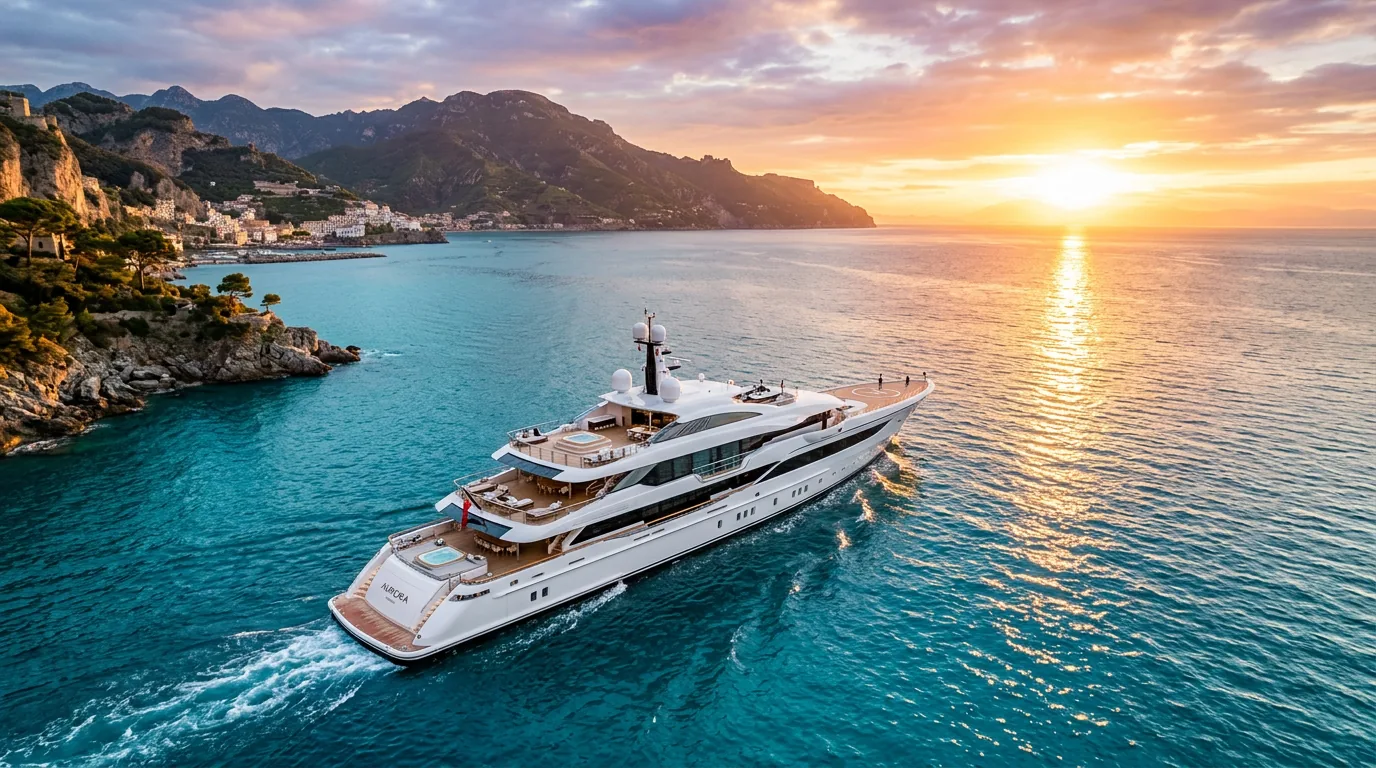
You can offset yacht ownership costs by generating charter revenue. This strategy reduces annual outgoings such as crew salaries, maintenance, and dockage. Typical offsets range from 30% to 70% of operating expenses, depending on yacht size, charter market demand, and effective management tactics. This improves your net ownership cost.
Why Should You Charter Your Yacht?
You own a luxury asset, but it comes with substantial overheads. Chartering transforms your yacht from a pure expense into a revenue-generating vehicle. This effectively lowers your annual cost of ownership. Expect to cover 30% to 70% of your operational expenses through a well-managed charter programme. This financial relief makes yacht ownership more sustainable long-term.
Consider an 80-foot yacht. Annual operating costs might reach €500,000. Generating €250,000 in charter revenue reduces your net annual outlay to €250,000. These savings can extend to crew benefits, insurance premiums, and even depreciation offset. Your yacht remains a personal escape while working for you financially in the off-season or when you do not use it.
How Do Charter Management Programmes Work?
You typically sign an agreement with a charter management company. This company handles marketing, bookings, crew placement, and logistical support. They charge a commission, usually 15% to 25% of the gross charter fee. This fee covers their expertise and extensive network, providing you access to a global client base you would not reach independently.
For example, a €100,000 charter will yield you €75,000 to €85,000 after commission. The management company ensures your yacht adheres to commercial regulations, maintains booking schedules, and manages client expectations. This hands-off approach allows you to maximise revenue without the day-to-day operational burdens. You receive regular performance reports and revenue disbursements.
What Are the Key Financial Benefits of Chartering?
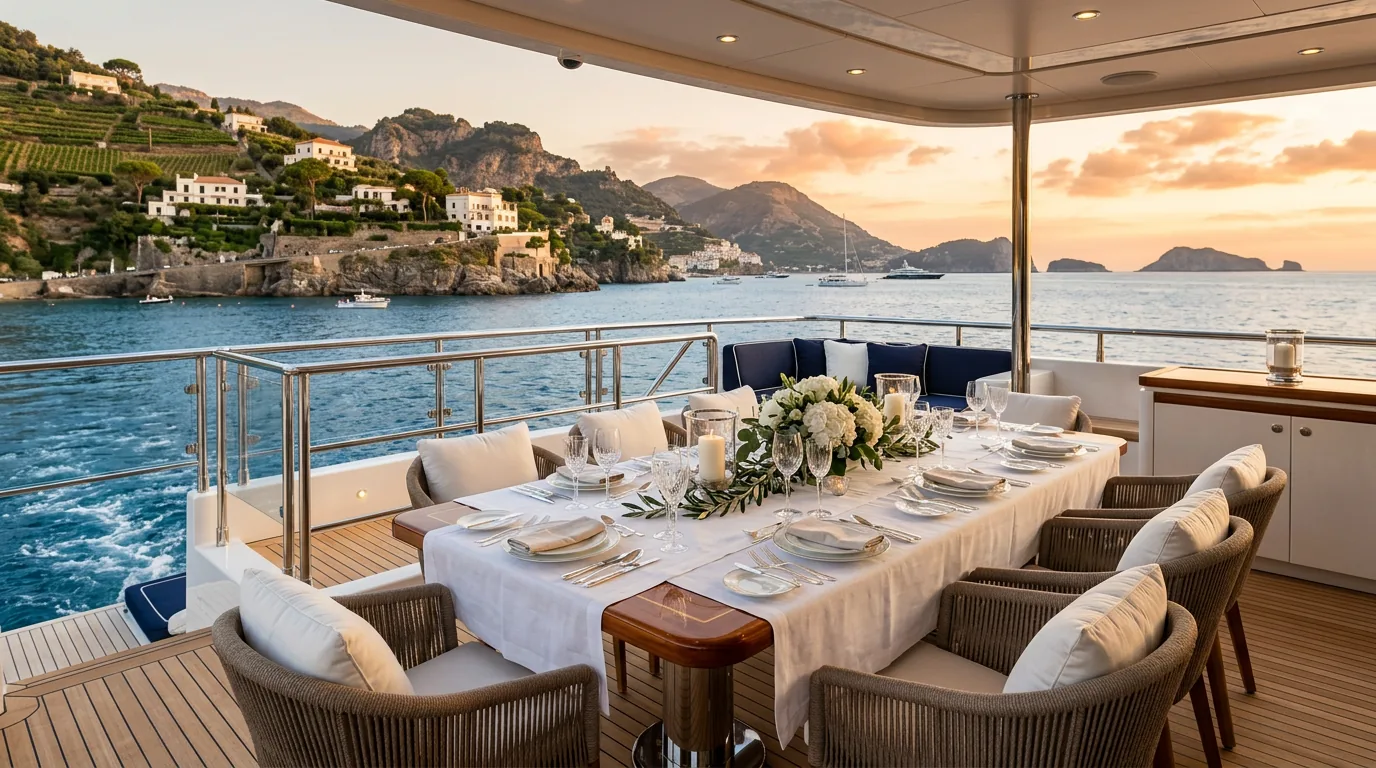
Chartering directly reduces your cash outflow. Annual expenses for a 120-foot yacht can exceed €1 million, including crew salaries, fuel, provisioning, maintenance, and dockage. Generating €500,000 to €700,000 in charter income significantly lowers your personal financial commitment. This enables you to maintain a higher standard of maintenance and upgrades.
Beyond direct revenue, you often benefit from tax advantages. In some jurisdictions, operating a yacht commercially allows you to reclaim VAT on purchases and expenses, or to depreciate the asset for tax purposes. Consult with a tax specialist familiar with maritime law. These benefits add an additional 10% to 20% to your overall cost-offset strategy per annum.
How Do You Optimise Your Yacht for Charter Success?
A well-maintained and presented yacht attracts more charters and commands higher rates. Invest in regular refits, ensure all systems are operational, and maintain a high standard of interior aesthetics. A yacht showing wear and tear will achieve 15% to 25% lower rates and fewer bookings. Client reviews are critical for future bookings, so impeccable service is paramount.
Provide a diverse range of water toys, such as jet skis, paddleboards, and diving gear. Offer satellite communication and high-speed internet. A highly professional and personable crew is a non-negotiable asset; they directly influence guest satisfaction and positive client feedback. A top crew can increase your yacht's charter appeal by 20% to 30%.
What Charter Market Trends Impact Revenue?
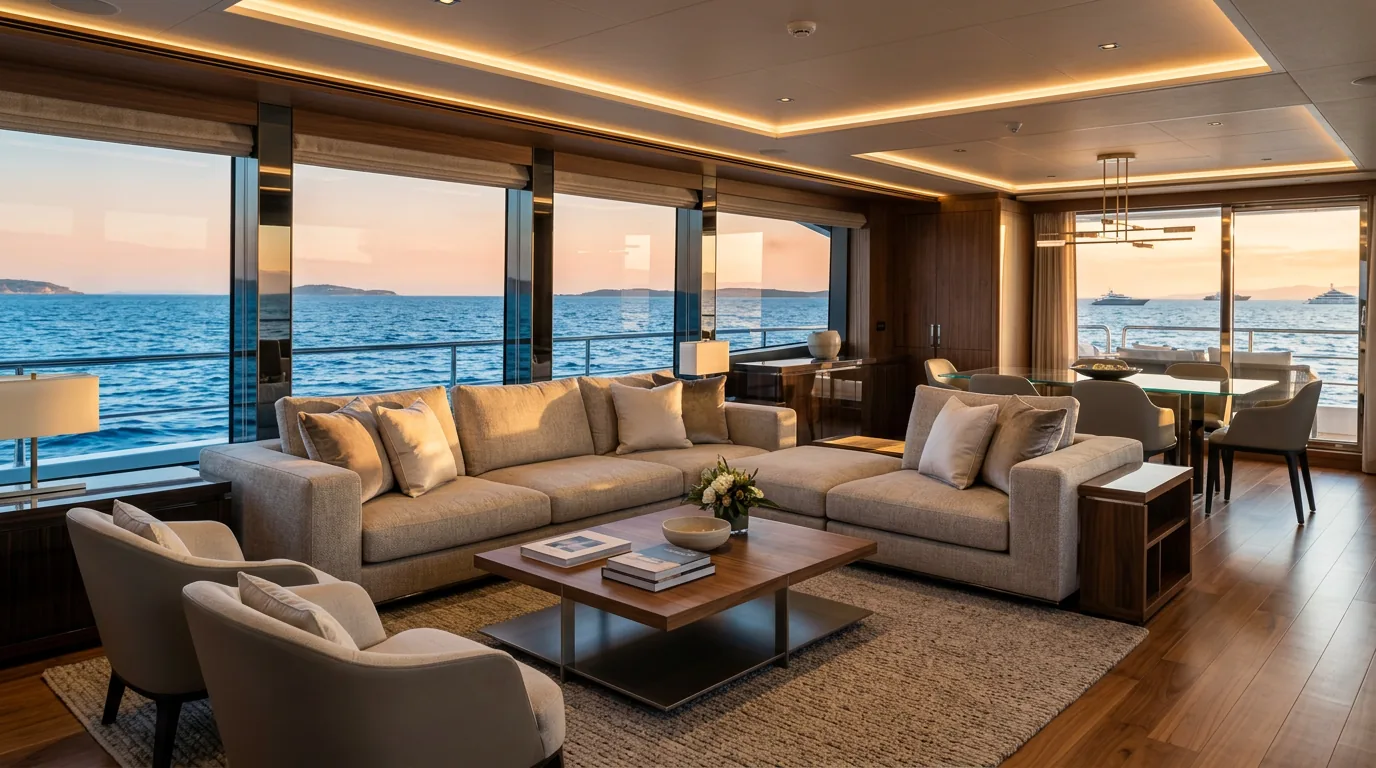
Demand for luxury yacht charters remains strong, especially for new or recently refitted vessels. The Mediterranean (summer) and Caribbean (winter) are primary charter destinations, each with distinct peak seasons. Booking windows typically extend 6-12 months in advance for prime slots. You must position your yacht effectively within these seasonal peaks for maximum yield.
Sustainability is a growing trend. Yachts with eco-friendly features, such as advanced waste treatment systems or hybrid propulsion, appeal to a niche but growing market segment willing to pay a premium, potentially 5% to 10% higher rates. Shorter, more flexible charter periods (3-5 days instead of 7) are also gaining popularity, opening new revenue streams.
Are There Risks in Yacht Chartering?
No investment is without risk. Your yacht may suffer wear and tear from frequent guest use, leading to increased maintenance costs. Ensure your charter agreement includes clauses addressing guest damage. There is also the potential for off-season vacancies if demand is low, impacting your projected revenue; maintain a contingency fund to manage this.
You also surrender some personal usage flexibility during peak charter seasons. Coordinate your personal cruises well in advance with your charter manager. Ensure your insurance policy is comprehensive, covering commercial operations. Proper legal and insurance structures mitigate 80% to 90% of potential financial and operational liabilities.
Top 5 Strategies for Maximising Charter Revenue
You can significantly boost your yacht's profitability by implementing these proven strategies.
- Strategic Pricing: Adjust charter rates based on season, demand, and itinerary. Offer shoulder-season discounts (10-15%) or premium rates (20-30% above base) for high-demand periods or special events like the Monaco Grand Prix.
- Exceptional Crew Service: Invest in a professional, guest-focused crew. Outstanding service leads to repeat bookings and positive referrals, increasing your yacht's reputation and booking rate by an estimated 25%.
- Targeted Marketing: Work with your charter manager to target specific demographics or niche markets. Use high-quality photography and videography to showcase your yacht's unique features. A compelling online presence can increase enquiries by 30%.
- Maintenance & Upgrades: Keep your yacht in pristine condition. Regular maintenance and strategic upgrades (e.g., new water toys, refreshed interior) justify higher rates and attract more clients, potentially adding 10-20% to your annual revenue.
- Flexible Itineraries: Offer customizable itineraries and cater to specific guest preferences. Flexibility increases client satisfaction and can lead to extended charters or additional services, driving up total revenue per booking by 15%.
Annual Cost Offset Potential (Example: 100-Foot Motor Yacht)
| Expense Category | Annual Cost (€) | Charter Offset (%) | Net Cost (€) |
|---|---|---|---|
| Crew Salaries & Benefits | 350,000 | 60% | 140,000 |
| Fuel & Provisioning | 150,000 | 80% | 30,000 |
| Maintenance & Repair | 200,000 | 40% | 120,000 |
| Dockage & Insurance | 100,000 | 50% | 50,000 |
Frequently Asked Questions
How much can I realistically earn from chartering my yacht?
You can realistically earn 10% to 20% of your yacht's capital value in gross charter revenue annually, though this varies significantly. For a €10 million yacht, gross earnings might range from €1 million to €2 million. After commissions and expenses, your net profit contributes directly to offsetting ownership costs. Market demand and yacht specifications greatly influence this figure. Expect 20 to 30 charter weeks per year for optimal performance.
What type of yachts are most sought after for charter?
Yachts between 80 to 150 feet are highly sought after due to their balance of luxury, space, and operational flexibility. Vessels with modern amenities, a variety of water toys, and comfortable, well-appointed cabins attract premium clients. Newly built or recently refitted yachts with a strong aesthetic appeal generally achieve higher charter rates and more bookings, commanding rates 15-25% above average.
How does chartering impact my personal use of the yacht?
Chartering your yacht requires you to plan your personal use around booked charters. You will typically have fewer weeks available, especially during peak season. However, effective communication with your charter manager ensures your preferred dates are prioritised. Many owners use their yacht for 4-8 weeks per year, scheduling around the 8-12 weeks committed to charter guests.
What insurance coverage do I need for a charter yacht?
You absolutely need comprehensive commercial yacht insurance. This covers hull and machinery, protection and indemnity (P&I) for third-party liabilities (including guests and crew), and potentially loss of charter income. Standard private owner policies are insufficient. Annual commercial premiums can range from 0.5% to 1.5% of your yacht's value, or €50,000 to €150,000 for a €10 million vessel.
What is the typical commission for a charter management company?
Charter management companies typically charge a commission between 15% and 25% of the gross charter fee. This covers their services such as global marketing, booking administration, contract issuance, crew liaison, and sometimes a share of operational oversight. A higher commission might indicate a more extensive service package or a stronger global network. Always review the detailed service agreement.
Key Takeaways
- Chartering can offset 30% to 70% of yacht ownership costs.
- Professional charter management is crucial for marketing and logistics.
- Exceptional crew and yacht presentation drive higher rates and bookings.
- Tax benefits and VAT recovery can further reduce your net expenses.
- Understand market trends and risks for a successful charter programme.
Ready to engineer more revenue from your charter operation? Speak with our charter revenue advisory team for a confidential strategic review.
Put this on autopilot. Our yacht marketing platform publishes your fleet across 11 channels, captures every inquiry and reports revenue per vessel. See how the engine works →