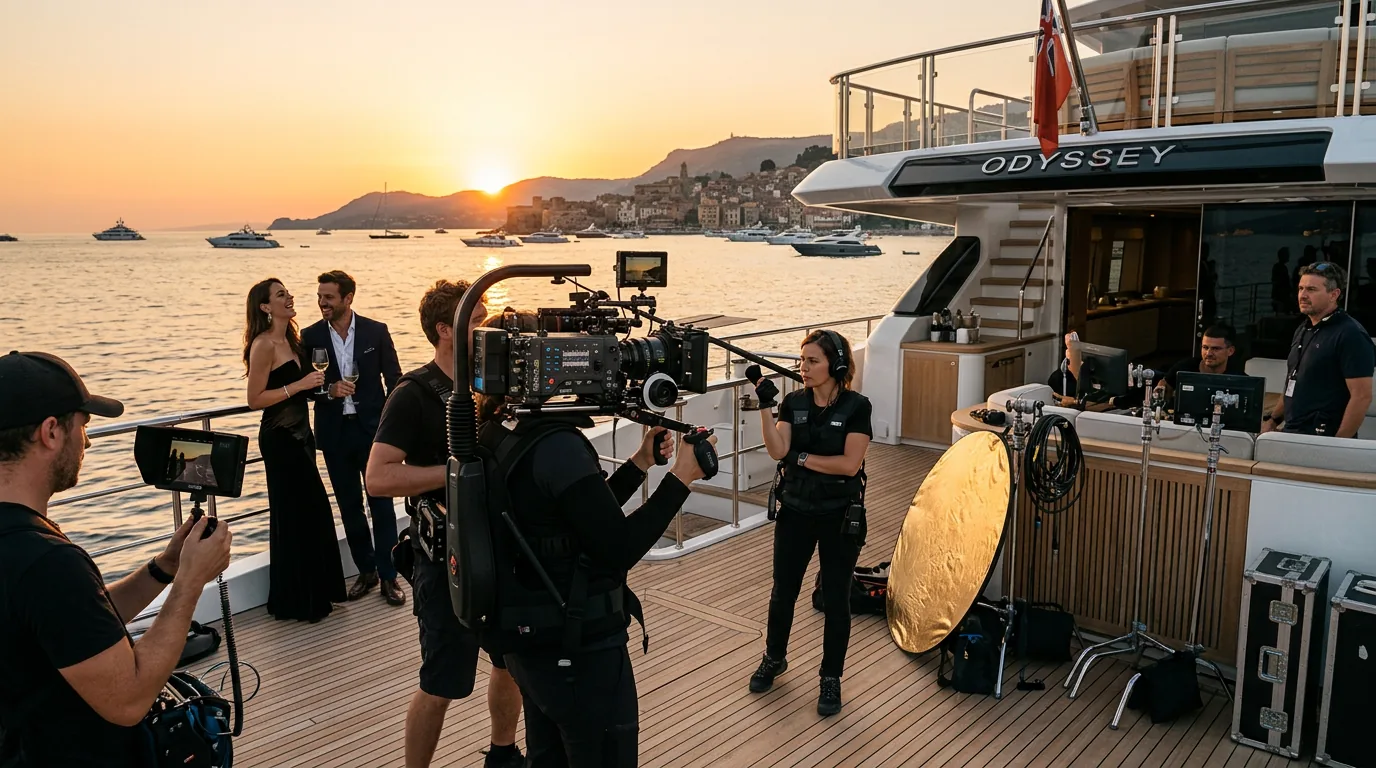
You can charter a yacht for your film production, managing complex logistics from €25,000 to over €200,000 per day. These include securing permits, coordinating crew, and ensuring equipment safety. Yachts offer unique, high-end locations for advertisements, feature films, and TV series like 'The Crown' or 'Succession', providing unparalleled privacy and stunning backdrops for your cinematic vision.
Why Choose a Yacht for Your Film Production?
When you need a truly unique backdrop for your film, TV series, or high-end advertising campaign, a yacht offers unmatched possibilities. Imagine capturing dramatic scenes against the rugged coastline of the Amalfi Coast or filming a luxurious party on the French Riviera with a 50-metre superyacht as your set. Yachts provide exclusive access to stunning locations that are often impossible or too costly to replicate in a studio. This ensures your production stands out and delivers an authentic, high-value look to your audience.
Filming on a yacht also provides an unparalleled level of privacy and control over your environment. Unlike public locations, you are not dealing with crowds or unexpected delays. You have a dedicated space to manage your cast, crew, and equipment, minimising disruptions. This controlled setting is vital for maintaining tight production schedules and budgets, giving you the flexibility to adapt to creative changes efficiently. For example, a 70-metre yacht chartered in the Balearics ensures a secluded and controlled filming environment for a major motion picture, free from prying eyes and external interference.
What Permits and Regulations Do You Need?
Before you even step on board, you must tackle a critical hurdle: permits and regulations. Each country and even specific filming locations within those countries have their own unique requirements. For instance, filming in the protected waters of the Cyclades in Greece requires special permission from the Port Authority and potentially the Ministry of Culture, especially if you are using drones. Ignoring these rules can lead to significant fines and immediate production halts, costing you valuable time and money. You need to budget time and resources for this process.
Navigating these regulations often requires the expertise of local film commissions or specialised yacht charter agencies. They have established relationships and understand the nuances of obtaining necessary approvals quickly. You should expect to pay permit fees ranging from €500 for smaller productions in less regulated areas to over €10,000 for complex shoots in highly sensitive or protected marine environments. For a major shoot in the waters around Monaco, permit fees and local authority liaison can easily exceed €15,000, underscoring the need for expert guidance.
How Do You Manage Onboard Logistics for Equipment and Crew?
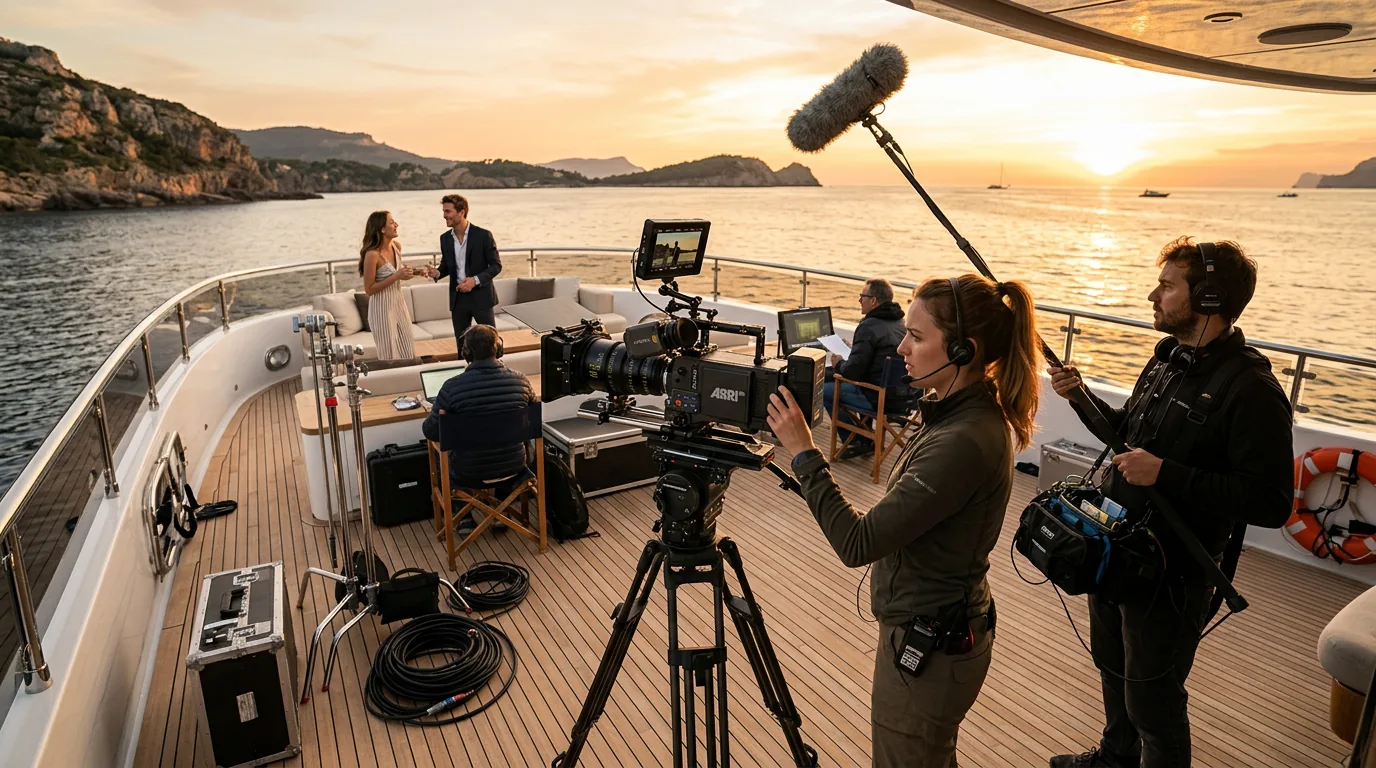
Managing equipment and crew on a yacht presents unique logistical challenges. You need to consider space constraints, power requirements, and the safe transport of sensitive gear. Heavy camera equipment, lighting rigs, and sound setups require careful planning for loading, securing, and operating on deck and within interior spaces. For a 35-metre yacht, deck space might be limited, demanding innovative solutions for equipment placement. You must coordinate with the yacht's captain and engineer to ensure power supplies are sufficient for all electrical needs without overloading the yacht's systems.
Crew coordination is equally vital. A typical film production crew can number dozens of people, all needing accommodation, catering, and safe working conditions. Some yachts offer dedicated areas for production teams, but on many vessels, you will need to adapt existing spaces. You might charter additional support vessels, such as a smaller tender or a supply yacht, to transport extra crew, equipment, or serve as a 'green room' or catering hub. This strategy is common for larger productions; for example, a 60-metre superyacht filming off Croatia might utilise a 20-metre support vessel for equipment storage and additional personnel.
What Are the Costs Involved in Yacht Charter for Film Productions?
The cost of chartering a yacht for a film production varies significantly based on yacht size, location, charter duration, and specific production needs. You can expect daily rates to start around €25,000 for a 24-metre luxury motor yacht in the Mediterranean during the shoulder season. However, for a 60-metre superyacht in a prime location like St. Barts during peak season, daily rates can soar past €200,000. These figures typically include the yacht charter fee, crew salaries, and basic insurance, but many other expenses add to the final bill.
Beyond the base charter fee, you must budget for additional costs. These commonly include an Advance Provisioning Allowance (APA), typically 30-40% of the charter fee, covering fuel, food, drinks, port fees, and special requests. You also need to factor in permit costs, as discussed, and potential security fees, specialised equipment rental, and additional insurance for your production. For a two-week shoot on a 45-metre yacht, your overall budget could easily exceed €800,000 when you consider all these elements, making thorough financial planning essential.
How Do You Ensure Crew and Talent Comfort and Safety?
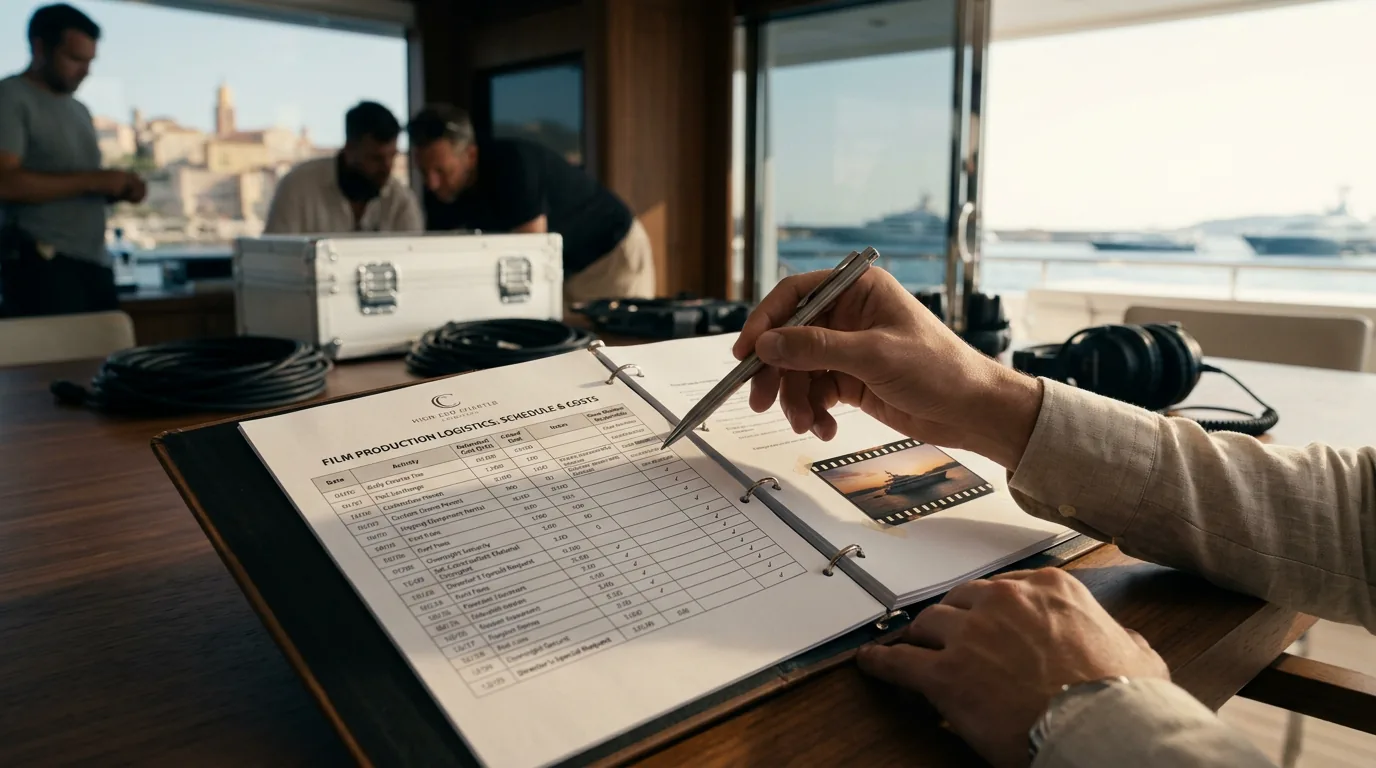
Ensuring the comfort and safety of your production crew and talent is paramount, especially during extended periods at sea. Yachts, by their nature, are smaller environments than land-based sets, requiring careful planning for breaks, meals, and downtime. You must maintain clear communication channels and provide easily accessible safety briefings. For instance, a 50-metre yacht typically has experienced maritime crew trained in emergency procedures and first aid, but you might need additional medical personnel onboard for high-risk stunts or a large cast and crew.
Accommodation plans are also crucial. While superyachts offer luxurious cabins, a full film crew might outnumber available berths. You may need to arrange for some crew members to stay in nearby hotels if filming close to shore, or rotate shifts to manage sleeping arrangements effectively. For example, on a 40-metre yacht operating near Cannes, you might house key talent and director onboard, while the camera and lighting teams commute daily from shore-based accommodation. Providing comfortable common areas and excellent catering further boosts morale and productivity.
What Are the Best Locations for Yacht Film Productions?
The Mediterranean offers some of the most iconic and diverse backdrops for yacht film productions. Imagine the dramatic cliffs of the Amalfi Coast for a suspenseful thriller, the glamorous harbours of the French Riviera for a high-fashion shoot, or the ancient ruins visible from the Aegean Sea for a historical drama. Destinations like Croatia, with its stunning islands and crystal-clear waters, have become increasingly popular, offering a mix of natural beauty and historical architecture. You can easily find a 30-metre yacht ready to explore these diverse settings.
Beyond the Mediterranean, the Caribbean provides equally spectacular, though different, opportunities. Its vibrant turquoise waters, pristine white-sand beaches, and lush tropical islands are perfect for advertisements, romantic comedies, or adventure films. Areas like St. Barts, the Grenadines, and the British Virgin Islands offer a variety of exclusive and picturesque settings. Each region presents its own unique logistical considerations, from local permitting to seasonal weather patterns, which you must carefully evaluate to align with your production's specific needs and timeline.
Essential Considerations for Your Production
- Permits: Always secure all necessary filming permits well in advance from local authorities and port captains. Failure to do so can halt your production and result in heavy fines.
- Logistics: Plan for equipment transport, power needs, and crew accommodation. You might need support vessels for larger productions or additional crew.
- Budget: Factor in charter fees, APA, permit costs, specialist insurance, and potential support vessel rentals. A detailed budget prevents unforeseen expenses.
- Safety: Prioritise crew and talent safety. Ensure clear safety briefings, first aid provisions, and adequate crew rest areas.
- Location Scouting: Thoroughly scout locations and discuss specific filming needs with the yacht captain. This ensures the yacht meets your creative and practical requirements.
Typical Yacht Charter Costs for Film Production
When budgeting for your film production, you will find yacht charter costs vary widely. Factors like the yacht's size, its age, the location, and the duration of your charter all impact the final price. Here is a general breakdown to help you plan your expenses.
| Yacht Size (Metres) | Type of Production | Location Example | Estimated Daily Rate (EUR) |
|---|---|---|---|
| 24-30 | Commercial/Indie Film | Mallorca, Spain | €25,000 - €45,000 |
| 30-45 | TV Series/Major Commercial | Sardinia, Italy | €45,000 - €90,000 |
| 45-60 | Feature Film/High-End Series | French Riviera, France | €90,000 - €150,000 |
| 60+ | Blockbuster/Exclusive Ad Campaign | Monaco/Caribbean | €150,000 - €250,000+ |
Frequently Asked Questions
What is an Advance Provisioning Allowance (APA) for film production charters?
The APA covers variable costs like fuel, food, drinks, port fees, and specific provisions for your production. Typically, it is 30-40% of the charter fee, paid in advance. Your captain manages these funds and provides a full account at the charter's end. This system ensures all your production's needs, from special catering to specific route adjustments, are covered efficiently, allowing for smooth operations without frequent financial interruptions during filming.
Can I bring my own chef and catering crew onboard?
Yes, you can often bring your own chef and catering crew, especially for larger productions with specific dietary or culinary requirements. However, you must arrange this with the yacht owner and captain in advance. Space and galley access are key considerations. You will need to ensure your catering team coordinates seamlessly with the yacht's existing crew and respects onboard safety protocols, particularly regarding equipment usage and waste disposal, to ensure a smooth operation.
Are yachts suitable for drone filming?
Many yachts are suitable for drone filming, offering excellent launch and landing platforms. However, you must obtain proper permits for drone operation, especially in protected areas or close to commercial airspace. Always check local drone regulations for your chosen filming location. The yacht's crew can advise on safe take-off and landing zones, and you should ensure your drone operators follow all safety guidelines to prevent accidents or damage to the vessel or surrounding environment.
How far in advance should I book a yacht for a film production?
You should book your yacht charter for a film production as far in advance as possible, ideally 6-12 months, especially for larger superyachts or peak season dates. This ensures you secure your preferred vessel and allows ample time to arrange permits, logistics, and any necessary modifications. Spring and Autumn are often shoulder seasons, offering more availability and potentially better rates. Early booking helps avoid last-minute availability issues and price surges, crucial for complex production schedules.
What kind of insurance do I need for filming on a yacht?
You will need comprehensive insurance coverage. This includes standard yacht charter insurance, but also specific production insurance that covers equipment, crew, cast, and third-party liability during filming. Discuss your production's specific risks with your insurance provider. You might need additional coverage for stunts, specialised equipment, or operations in high-risk areas. Always ensure your policy covers maritime operations and communicate all filming activities to your insurer to confirm full protection.
Key Takeaways
- Yacht charters offer unique, exclusive locations for film productions, enhancing visual quality and providing a controlled environment.
- You must secure all necessary international and local permits and understand regulations well in advance to avoid costly delays.
- Managing onboard logistics for equipment, power, and crew requires careful planning and potentially support vessels to ensure smooth operations.
- Yacht charter costs vary significantly, ranging from €25,000 to over €200,000+ per day, plus additional expenses like APA and permit fees.
- Prioritise the comfort and safety of your cast and crew, ensuring adequate rest, catering, and adherence to safety protocols for a productive shoot.
Explore related insights: Maximise Your Revenue: A Guide to Corporate Yacht Charter Events, Your Guide to the Superyacht Charter Experience: What Guests Truly Pay For, Understanding Yacht Charter Costs: A Full Breakdown of APA and Other Fees, Mediterranean Yacht Charter Destinations: Increasing Revenue Potential, The Caribbean Yacht Charter Season: Maximising Winter Revenue. For a confidential charter revenue review, contact our advisory team.
Put this on autopilot. Our yacht marketing platform publishes your fleet across 11 channels, captures every inquiry and reports revenue per vessel. See how the engine works →