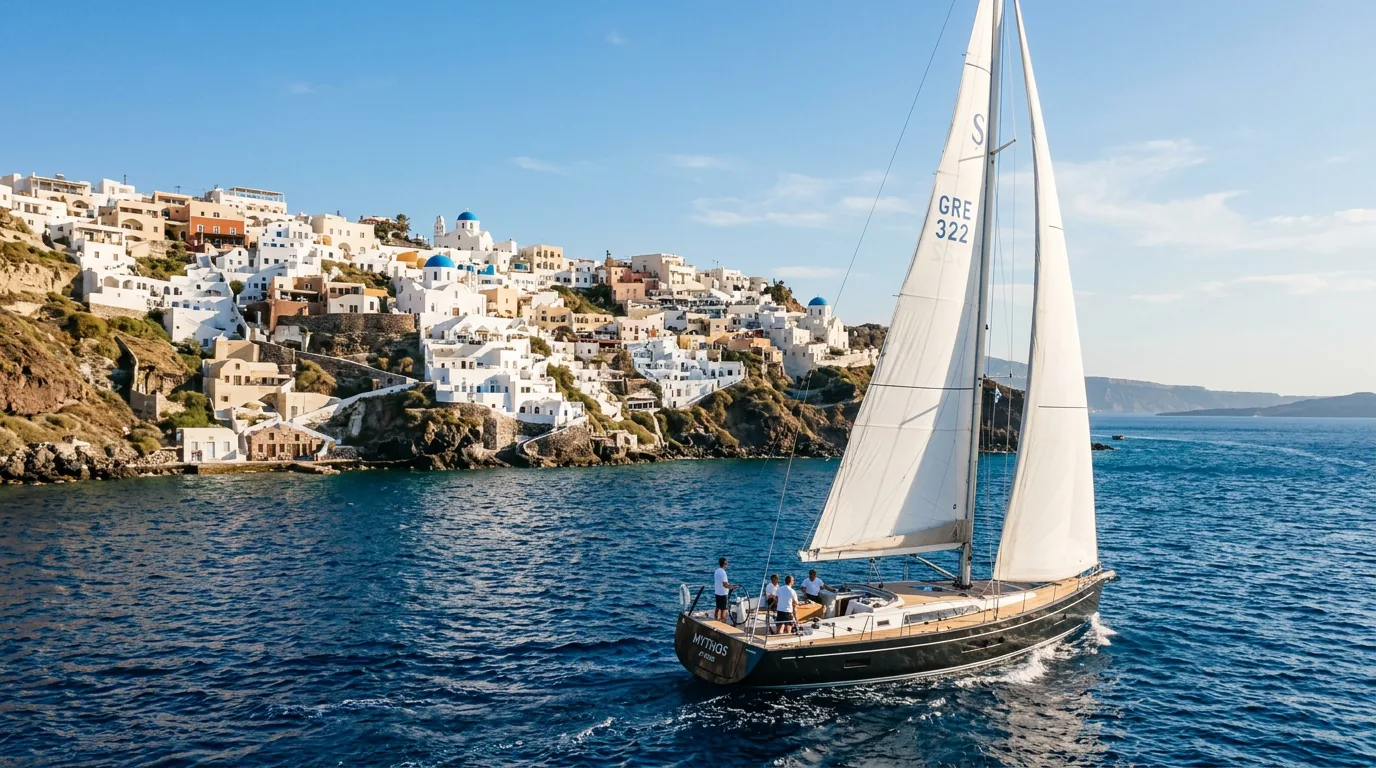
Chartering a sailing yacht in Greece is a straightforward process that you can complete in six key steps. First, choose your preferred island group, then select the right yacht type. Next, decide if you need a skipper and confirm your charter dates. Sign the contract, and finally, plan your exciting itinerary. Expect to pay between €8,000 and €45,000 for an average week.
1. Which Greek Island Group is Best for Your Sailing Trip?
Greece boasts thousands of islands, but for sailing, you typically focus on five main groups: the Ionian, Cyclades, Saronic Gulf, Dodecanese, and Sporades. The Ionian Islands, like Corfu and Zakynthos, offer calm waters and lush scenery, ideal for families or first-time sailors. You will find consistent winds of 10-20 knots here, perfect for relaxed cruising. Consider an 18-metre Jeanneau yacht for around €9,500 per week in June, sailing from Gouvia Marina in Corfu.
The Cyclades, including Mykonos and Santorini, are famous for stronger Meltemi winds (often 20-30 knots) from July to August, making them perfect for experienced sailors seeking exhilarating conditions. The Saronic Gulf, close to Athens, provides sheltered waters and easy access for shorter trips. For example, a 15-metre Bavaria yacht from Alimos Marina in Athens costs about €7,800 for a week in low season. The Dodecanese and Sporades offer a blend of conditions and fewer crowds, giving you a balance of adventure and tranquility.
2. What Type of Sailing Yacht Should You Choose?
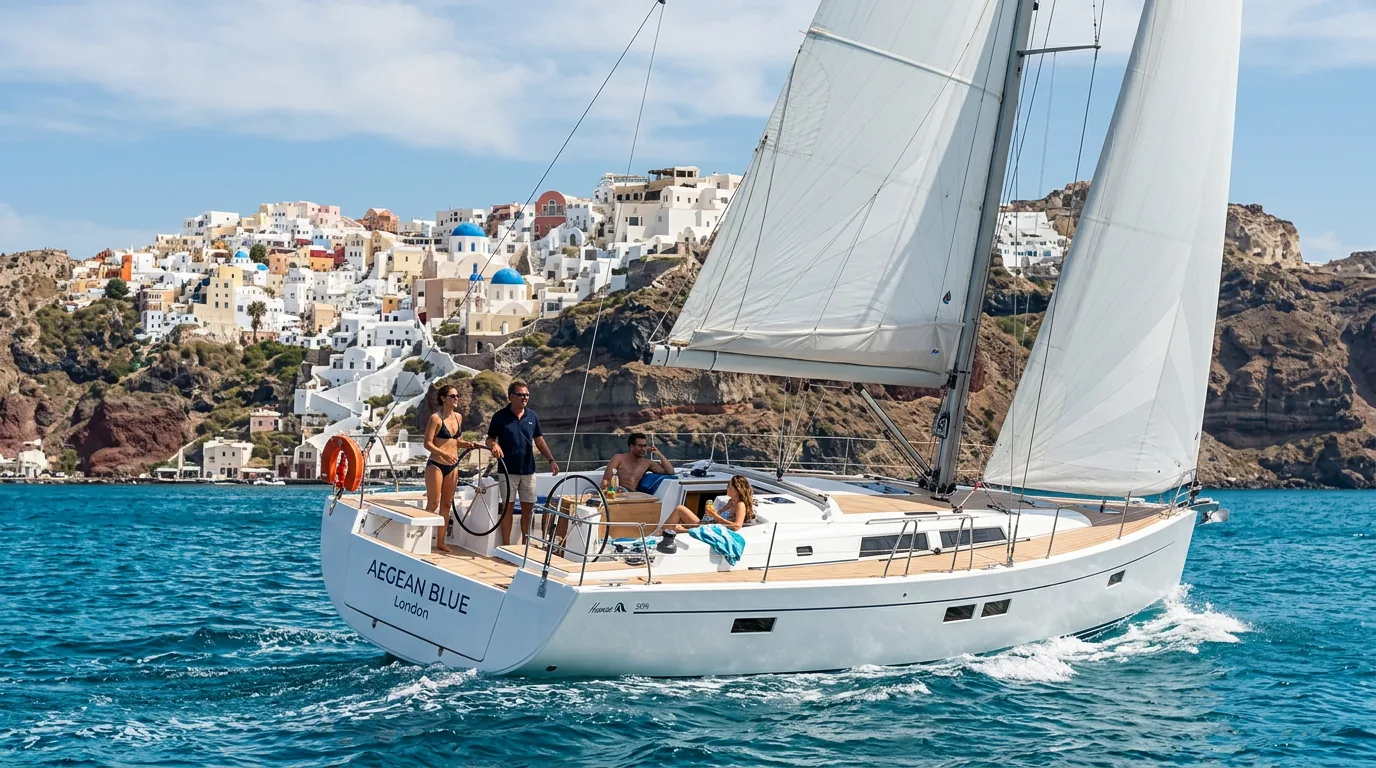
Your choice of sailing yacht depends on your budget, group size, and desired comfort level. Monohull sailboats are classic choices, offering a traditional sailing experience. A 14-metre monohull like a Beneteau Oceanis typically accommodates 6-8 guests across 3-4 cabins. You can expect to pay between €6,500 and €15,000 per week for a bareboat monohull, with crewed options starting from €18,000. These yachts are agile and perform well directly into the wind, providing an authentic sailing feel.
Catamarans, with their two hulls, offer superior stability, spacious decks, and shallow drafts, allowing you to anchor closer to shore. A 15-metre Lagoon catamaran can comfortably host 8-12 guests in 4-6 cabins, with weekly rates ranging from €12,000 for bareboat to €30,000+ for crewed charters. Catamarans are ideal for families or groups prioritising comfort and ample living space. They sail well off the wind and reduce seasickness, making your journey more pleasant. For a detailed comparison, you can look at the **`crewed-vs-bareboat-yacht-charter`** options.
3. Do You Need a Skipper, or Can You Sail Bareboat?
You have two main options for chartering: bareboat or with a professional skipper. A bareboat charter means you are responsible for sailing the yacht yourself. To qualify, you or at least one person in your group must hold valid sailing certifications, such as an RYA Day Skipper or Coastal Skipper certificate, along with a VHF radio license. Greek port authorities strictly check these documents. This option gives you complete freedom over your itinerary and saves about €1,500 - €2,000 per week on skipper fees.
If you lack the necessary qualifications or prefer to relax, you should hire a professional skipper. A skipper not only navigates and manages the yacht but also possesses invaluable local knowledge, guiding you to the best secluded coves, charming tavernas, and optimal anchorages. You pay the skipper's fee (around €180 - €250 per day plus their food), and they typically require their own cabin. Consider a crewed charter if you really want to maximise your relaxation, perhaps on a 24-metre luxury gulet in the Dodecanese.
4. How Do You Confirm Dates and Secure Your Booking?
The Greek sailing season runs from April to October, with peak season in July and August. You will find yacht availability highest and prices lowest in the shoulder months of May, June, September and October. Booking 6-12 months in advance is highly recommended, especially for peak season charters or specific yacht models. Many popular 20-metre catamarans in the Cyclades, for example, are fully booked by January for the following summer. Early booking also often secures you better rates.
Once you select your yacht and dates, your charter broker will prepare a booking contract. This typically requires a 50% deposit to confirm your reservation, with the remaining balance due 30-60 days before your charter begins. Always review the contract carefully for cancellation policies, payment schedules, and what is included in the price. Read our guide on **`how-to-book-yacht-charter-first-time-guide`** for more advice on securing your booking.
5. What is the Booking Contract and APA?
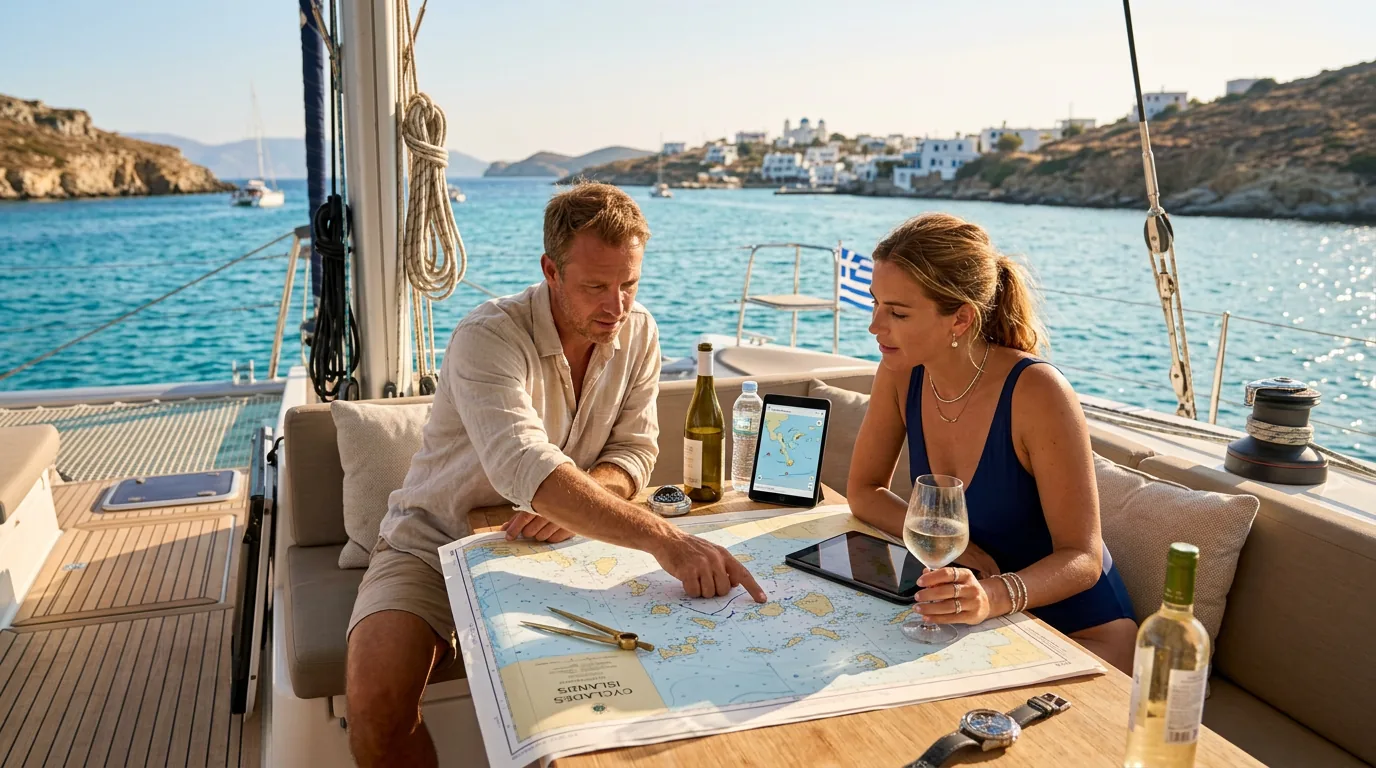
The booking contract, often a standard MYBA (Mediterranean Yacht Brokers Association) agreement, outlines the terms of your charter. It details the yacht, dates, price, inclusions, and responsibilities of both parties. Pay close attention to clauses regarding insurance, liability, and force majeure (unforeseen circumstances). Ensure all agreed-upon services and any special requests, such as specific water toys or dietary needs, are clearly documented.
For crewed charters, you will also encounter the Advance Provisioning Allowance (APA). This is an additional payment, usually 25-30% of the charter fee, given to the captain before your trip. The captain uses these funds to cover all variable expenses during your charter, including fuel, food, drinks, port fees, and any special requests. At the end of your trip, the captain provides a detailed breakdown of expenses, and you either receive a refund for any unused funds or pay the difference if you exceeded the APA. For a comprehensive overview of charter costs, refer to **`yacht-charter-cost-breakdown-apa-fees`**.
6. How Do You Plan Your Sailing Itinerary in Greece?
Planning your itinerary is one of the most exciting steps. Work closely with your skipper (if you have one) and charter broker to craft a route that matches your interests. Consider factors like desired sailing distances, island hopping preferences, and your group's energy levels. For instance, a typical 7-day Cyclades itinerary might involve sailing from Mykonos to Paros, Naxos, Ios, and Santorini, covering an average of 25-35 nautical miles per day. You can generally expect to spend 3-5 hours sailing each day.
Research island highlights beforehand: historical sites, vibrant nightlife, secluded beaches, or authentic tavernas. Your skipper's local knowledge is invaluable for finding hidden gems away from tourist crowds. They can advise on prevailing winds, best anchorages, and local regulations. A well-planned itinerary ensures you maximise your time, experience diverse locations, and create unforgettable memories on your Greek sailing adventure. Read our guide on **`yacht-charter-itinerary-planning-guest-satisfaction`** for more planning tips.
Essential Items to Pack for Your Greek Sailing Charter
- Light Clothing: Pack breathable fabrics like linen and cotton for warm daytime temperatures, which often reach 30°C in July and August.
- Swimwear & Beach Towels: Bring multiple swimsuits as you will spend a lot of time in the water. Most yachts provide bath towels, but you should bring your own beach towels.
- Sun Protection: Include high-factor sunscreen (SPF 30+), sunglasses, and a wide-brimmed hat. The Greek sun is intense, especially on the water.
- Deck Shoes & Sandals: Non-marking deck shoes are essential for safety on board. Also pack comfortable sandals or flip-flops for shore excursions and evenings.
- Basic Toiletries & Medications: While some yachts offer amenities, bring your preferred toiletries and any personal medications. Seasickness remedies are also a good idea.
Average Weekly Costs for Sailing Yachts in Greece (Euro)
Below is a guide to the average weekly costs you can expect for different types and sizes of sailing yachts when chartering in Greece. These figures include the base charter rate but exclude APA, skipper fees, and other extras.
| Yacht Type & Size | Guests (Cabins) | Bareboat Cost (EUR) | Crewed Cost (EUR) |
|---|---|---|---|
| Monohull (12-14m) | 6-8 (3-4) | €6,500 - €12,000 | €18,000 - €25,000 |
| Monohull (15-18m) | 8-10 (4-5) | €10,000 - €18,000 | €25,000 - €40,000 |
| Catamaran (12-14m) | 8-10 (4-5) | €12,000 - €20,000 | €22,000 - €35,000 |
| Catamaran (15-18m) | 10-12 (5-6) | €18,000 - €30,000 | €35,000 - €60,000 |
| Luxury Catamaran (18m+) | 10-12 (5-6) | N/A | €60,000 - €120,000+ |
Frequently Asked Questions
How far in advance should I book a sailing yacht in Greece?
You should book your sailing yacht 6 to 12 months in advance, especially if you plan to charter during peak season (July-August) or for popular yacht models. Early booking secures better availability and often more favourable rates. Last-minute bookings are possible in shoulder seasons but offer less choice.
What is included in the base charter price for a sailing yacht in Greece?
The base charter price typically includes the yacht rental for the specified period, basic insurance, and usually VAT (Value Added Tax). It does not cover fuel, port fees, food, drinks, skipper fees, or the Advance Provisioning Allowance (APA). Always confirm what is precisely included with your broker.
Can I sail a yacht in Greece without a professional skipper?
Yes, you can sail bareboat in Greece if you or a member of your crew holds valid international sailing qualifications (e.g., RYA Day Skipper/Coastal Skipper, ICC) and a VHF radio license. Greek port authorities require these documents. If you lack these, you must hire a professional skipper.
What is the best time of year to charter a sailing yacht in Greece?
The best time to charter a sailing yacht in Greece depends on your preferences. May, June, September, and early October offer pleasant weather (20-28°C), fewer crowds, and moderate winds, ideal for a relaxed trip. July and August are hot (30-35°C), very busy, and feature strong Meltemi winds in the Cyclades, best for experienced sailors.
Are port fees expensive in Greece for chartered yachts?
Port fees in Greece vary significantly based on the port, yacht size, and season. Busy marinas like Mykonos or Santorini can charge €50-€150 per night for a 15-metre yacht, while smaller, less-known harbours might be free or cost €10-€30. Anchorage in most bays is free. Your APA covers these costs if you have a crewed charter.
Key Takeaways
- **Plan Early:** Book your Greek sailing yacht 6-12 months ahead for best selection and prices, particularly for peak season (July-August).
- **Choose Your Waters Wisely:** The Ionian Islands offer calm sailing ideal for beginners, while the Cyclades provide stronger winds for experienced sailors.
- **Bareboat or Crewed?:** You need valid sailing qualifications for bareboat. If not, or if you prefer relaxation, hire a professional skipper for around €180-€250 per day.
- **Understand Costs:** The base charter fee excludes extras like fuel, food, port fees, and the APA (25-30% of charter fee for crewed yachts).
- **Itinerary is Key:** Work with your skipper/broker to plan a route that balances sailing, relaxation, and exploring islands, averaging 25-35 nautical miles per day.
Explore related insights: Choosing the Right Yacht Type: Motor, Sail, Catamaran, Crewed vs. Bareboat Yacht Charter: What's the Difference?, Your Guide to Yacht Charter Itinerary Planning, What to Pack for Your Yacht Charter Checklist, The Best Yacht Charter Destinations for 2026. For a confidential charter revenue review, contact our advisory team.
Put this on autopilot. Our yacht marketing platform publishes your fleet across 11 channels, captures every inquiry and reports revenue per vessel. See how the engine works →