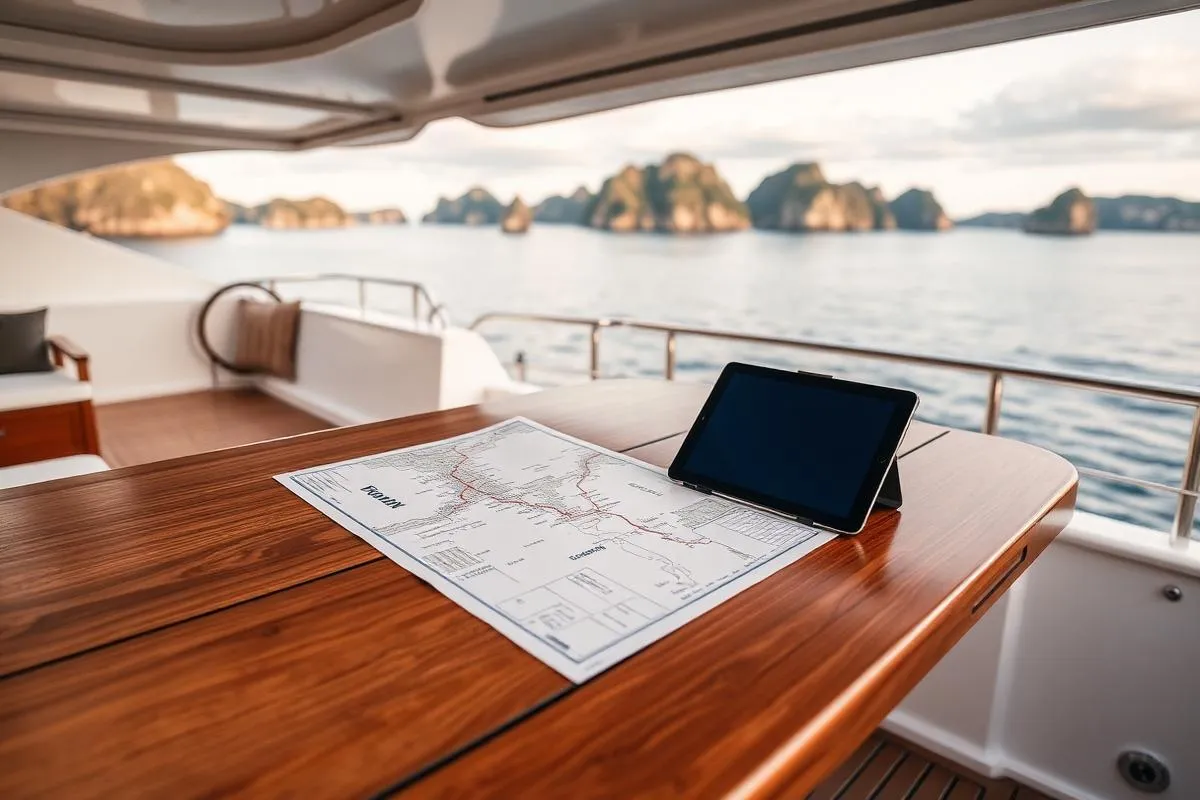
A yacht charter itinerary is not a schedule — it's a narrative. The best itineraries tell a story that unfolds naturally across the week, balancing adventure with relaxation, discovery with comfort, and spontaneity with structure. Operators who master itinerary design see measurably higher guest satisfaction scores and significantly stronger rebooking rates.
The Art and Science of Charter Itinerary Design
Creating an exceptional charter itinerary requires three distinct competencies: deep local knowledge, guest psychology, and logistical precision. The captain must know not just where to anchor, but which anchorages are best at which time of day, which restaurants require advance booking, and which hidden gems are inaccessible to larger yachts.
Yet knowledge alone isn't enough. The itinerary must be tailored to the specific guest profile. A family with young children needs calm anchorages and easy beach access. A couple celebrating an anniversary wants secluded bays and romantic sunset spots. A group of friends wants vibrant port towns and nightlife proximity. The same cruising ground can produce entirely different itineraries depending on who's aboard.
Building the Perfect Week: A Framework
Day 1: The Gentle Introduction
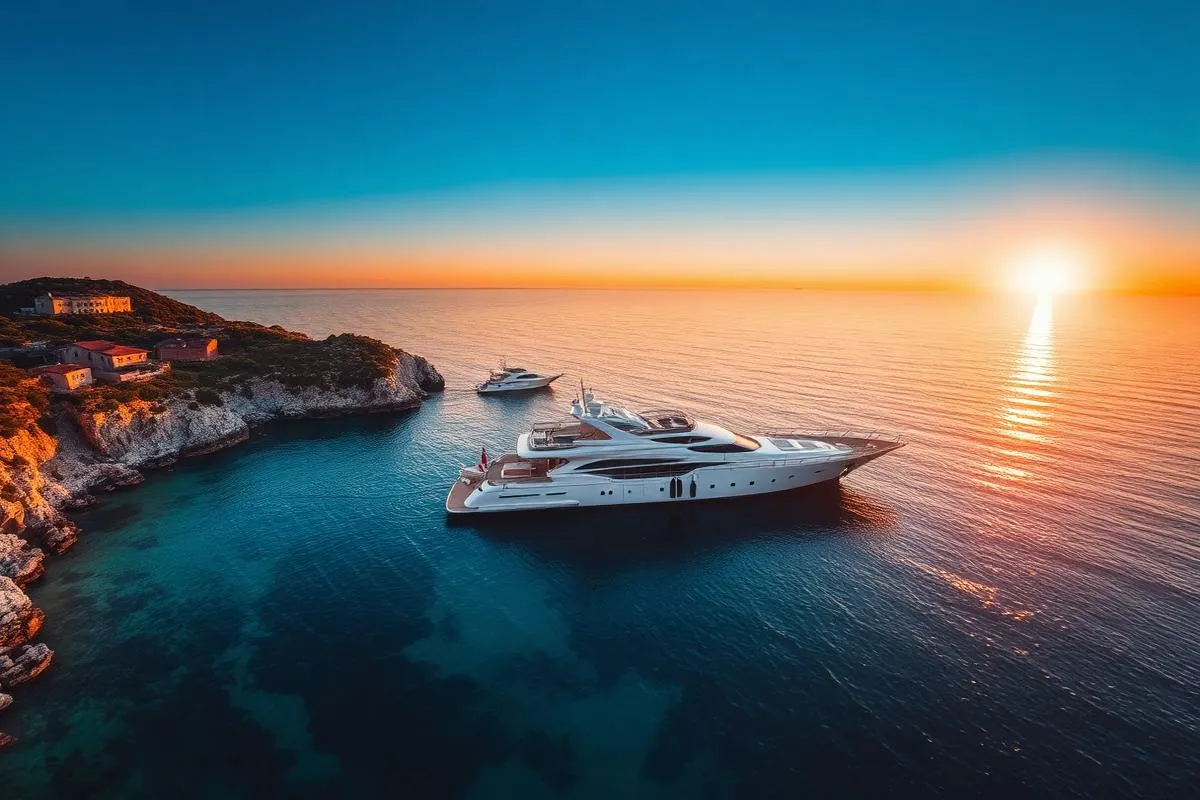
Embarkation day should prioritise comfort over distance. Guests are adjusting to life at sea, learning the yacht's rhythms, and often recovering from travel. A short cruise to a nearby anchorage — close enough that the captain can return to port if anything is forgotten — sets the right pace. The first evening should feature a spectacular sunset anchorage that immediately justifies the investment.
Days 2–3: Building Momentum
The early middle days introduce more adventurous elements. This is when to schedule the longer passages, the more active water sports, and the discovery of the cruising ground's highlights. Guests are settled and energised, making this the ideal window for snorkelling excursions, cliff diving, or visits to less accessible destinations that require more cruising time.
Days 4–5: The Experiential Peak
By mid-charter, guests are fully comfortable. This is when to deploy the signature experiences: a private dinner on a deserted beach, a guided cultural excursion to a hilltop village, or a surprise celebration arranged with the onboard chef. The emotional peak of the charter should fall here — this is the moment guests will describe when recommending you.
Day 6: The Gentle Descent
The penultimate day should begin easing back toward the embarkation port. The pace slows, the anchorages become more sheltered, and the onboard experience takes centre stage. This is an ideal day for spa treatments, a leisurely long lunch, and a final evening anchorage that feels like a farewell gift.
Day 7: The Meaningful Farewell
The final morning should feel unhurried. A special breakfast, crew photographs, and the presentation of the photo gallery or gift create closure. Arriving at port with time to spare — rather than rushing — shows respect for the guest's onward travel plans and leaves the last impression as positive as the first.
Destination Intelligence: What Guests Really Want
The Rise of "Micro-Destinations"
The most sophisticated charter guests are moving beyond headline destinations. They don't just want Santorini — they want the fisherman's taverna on the south coast that doesn't appear on Google Maps. They don't just want the French Riviera — they want the vineyard that only receives visitors by boat.
Captains who cultivate these "micro-destination" networks create irreplaceable value. This local intelligence takes years to develop and cannot be replicated by competitors. It's the single most powerful argument for guest loyalty: "Only Captain Marco knows the bay where dolphins feed at dawn."
Shore-Side Partnerships
Building relationships with restaurants, tour operators, wellness practitioners, and cultural guides in every cruising ground transforms an itinerary from a route into an experience. The ability to arrange a private after-hours museum visit, a sunset horse ride along coastal trails, or a cooking class with a local chef adds dimensions that the yacht alone cannot provide.
These partnerships also create ancillary revenue opportunities. Commission arrangements on shore excursions, dining reservations, and activity bookings can generate €5,000–€15,000 per charter week in additional income while simultaneously enhancing the guest experience.
Weather Management: The Captain's Art
The greatest test of itinerary skill is weather adaptation. The difference between a good captain and an exceptional one lies in how weather changes are communicated and managed. An exceptional captain presents alternative plans proactively: "The wind has shifted, which actually gives us an opportunity to visit a beautiful bay that's usually too exposed. You'll love it."
This reframing — turning a potential disappointment into a discovery — is a communication skill that can be taught. Crew training programmes should include scenario-based exercises where captains practise presenting weather-related itinerary changes in positive, guest-friendly language.
Technology and Itinerary Planning
Modern charter operations leverage technology to enhance itinerary planning. Real-time weather routing, AIS data for anchorage density, and guest-facing itinerary apps that display daily plans with photos and descriptions add a layer of professionalism that guests appreciate.
Some operators now provide guests with a pre-charter digital itinerary — an interactive map showing proposed routes, anchorages, and activity options. This serves dual purposes: building anticipation and managing expectations. When guests arrive knowing the broad plan, the crew can focus on exceeding expectations rather than explaining logistics.
Measuring Itinerary Success
Track guest feedback specifically on itinerary satisfaction. Ask targeted questions: "Did the pace feel right?" "Was there a highlight destination?" "Would you change anything about the route?" This data, aggregated over a season, reveals patterns that inform future planning and guest experience improvements.
The operators who treat itinerary design as a strategic capability — investing in captain development, shore-side relationships, and guest intelligence — consistently outperform those who leave it to chance. In a market where the yacht itself is increasingly commoditised, the itinerary is a powerful differentiator that directly impacts repeat bookings and referral generation.
Put this on autopilot. Our yacht marketing platform publishes your fleet across 11 channels, captures every inquiry and reports revenue per vessel. See how the engine works →