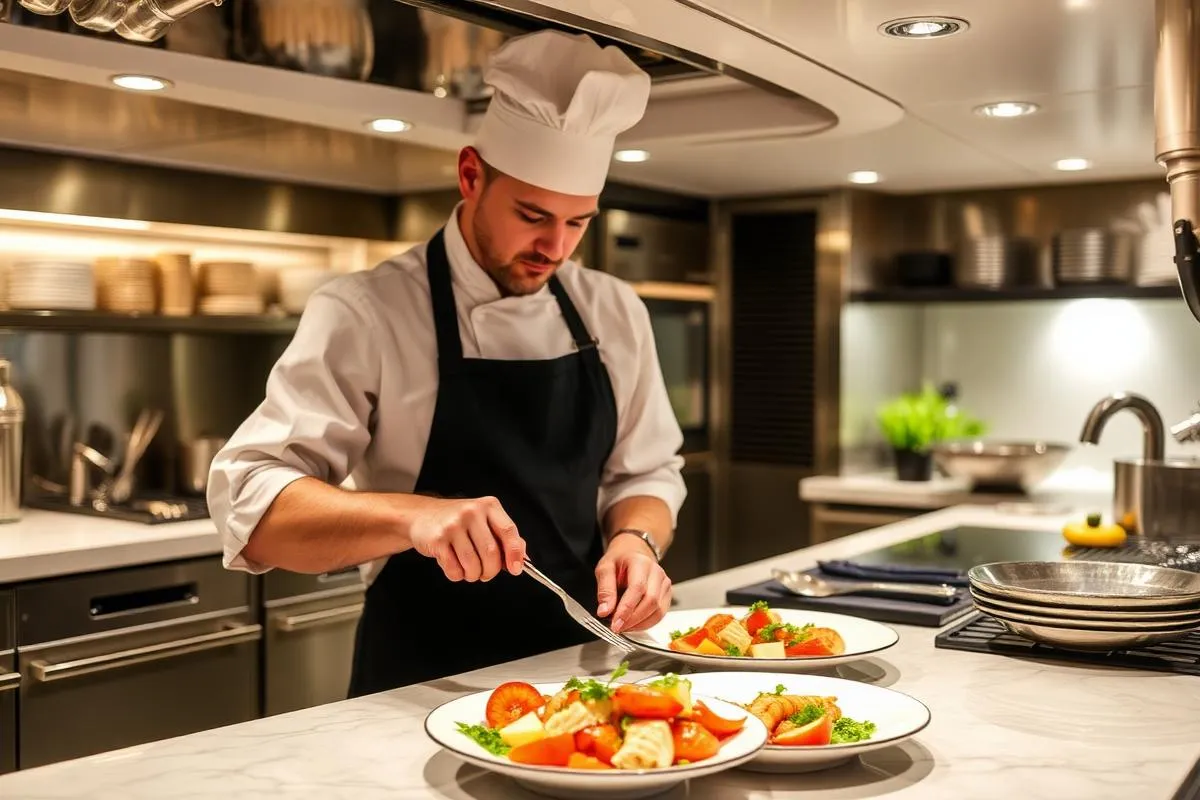
Food is the silent currency of the charter industry. When guests recall their charter experience months later, the meals they describe aren't just dinners — they're stories. The beach barbecue where the chef grilled lobster caught that morning. The sunrise breakfast served on the bow as dolphins circled the yacht. The seven-course tasting menu that rivalled anything they'd experienced on land. These culinary moments are what transform a good charter into an unforgettable one — and an unforgettable charter into a rebooking.
Why Food Drives Charter Revenue More Than Any Other Factor
Industry data is unequivocal: culinary quality is the #1 driver of guest satisfaction on yacht charters, outranking destination, crew friendliness, and yacht condition. In a comprehensive survey of 2,000+ charter guests, 84% cited food as "extremely important" to their overall experience, and 62% said an exceptional culinary experience would make them "very likely" to rebook.
The financial implications are significant. Yachts with chefs rated 4.8+ stars command 15–25% higher charter rates than comparable vessels with average culinary programmes. For a yacht generating €1 million in annual charter revenue, this premium translates to €150,000–€250,000 in additional income — vastly exceeding the cost of a top-tier chef and quality provisioning.
The Modern Charter Chef: Beyond Cooking
Culinary Storytelling
The best charter chefs are not just talented cooks — they're experience designers. They create narratives around meals that connect food to the journey. Cruising the Amalfi Coast? Dinner features locally sourced burrata, handmade pasta using a recipe from a Positano grandmother, and limoncello made with lemons picked from a hillside grove that afternoon.
This culinary storytelling transforms meals from sustenance into destinations within the destination. It gives guests something to talk about, photograph, and share on social media — the most powerful (and free) marketing channel in luxury chartering.
Dietary Mastery as a Competitive Edge
Modern charter groups routinely include complex dietary requirements: vegan, gluten-free, keto, halal, kosher, allergen-specific, and combinations thereof. A chef who handles these requirements seamlessly — without making anyone feel like a burden — creates enormous goodwill.
The gold standard is "inclusive luxury" — every dish is designed so beautifully and tastes so exceptional that dietary-restricted guests feel they're getting the best meal at the table, not a compromise. Chefs who master this skill become magnets for charter bookings, as word spreads quickly in UHNW social circles about which yachts can accommodate any dietary need without sacrificing quality.
Interactive Dining Experiences
The trend toward experiential dining has arrived in yachting. The most sought-after charter chefs offer interactive experiences: sushi-making masterclasses, pasta workshops, cocktail creation sessions, and "captain's table" dinners where the chef presents each course with wine pairings and the story behind the dish.
These experiences serve multiple purposes: they fill time on passage days, they create unique memories, and they give guests content to share. A family who spends an afternoon making fresh pasta with the yacht chef in a Sardinian harbour has a story they'll tell — and retell — at dinner parties for years.
Provisioning Excellence: The Foundation of Culinary Success
Local Sourcing as an Experience Differentiator
Where provisions come from matters almost as much as how they're prepared. Guests are increasingly interested in provenance — they want to know that the olive oil is from a local producer, the fish was caught that morning, and the wine comes from a vineyard they passed during their coastal cruise.
Smart operators build provisioning networks in every cruising ground that prioritise local, seasonal, and artisanal products. This approach not only produces better food but also creates opportunities for guest-facing experiences: a morning market visit with the chef, a vineyard tour that culminates in the wines appearing at dinner, or a fishing excursion whose catch becomes the evening's centrepiece.
The Economics of Quality Provisioning
Premium provisioning costs 25–40% more than standard sourcing, typically adding €3,000–€8,000 to a charter week's food budget. However, this investment is overwhelmingly covered by the APA (Advance Provisioning Allowance) paid by guests, meaning the operator bears minimal additional cost while delivering a dramatically enhanced experience.
The key is transparent communication. Guests who understand they're paying for locally caught langoustine rather than frozen imports from a wholesale supplier are not only willing but enthusiastic. The pre-charter provisioning conversation — ideally conducted by the chef directly — sets expectations and builds excitement.
Measuring Culinary Impact
Track food-specific feedback metrics separately from overall satisfaction. Ask guests to rate: meal quality, presentation, dietary accommodation, chef interaction, and "most memorable meal." Aggregate this data across a season to identify patterns and opportunities.
The operators who treat their culinary programme as a strategic asset — investing in chef talent, provisioning quality, and dining experience design — consistently achieve the highest guest satisfaction scores and the strongest repeat booking rates in the industry.
Building a Culinary Brand
Some yachts have become famous for their food. This reputation — earned through consistently exceptional culinary experiences — becomes a marketing asset that transcends the vessel itself. When a yacht's chef has a following, when food blogs mention the onboard dining, when charter brokers recommend a specific yacht because "the food is extraordinary," you've built something that no amount of advertising can replicate.
Invest in your chef. Invest in your provisioning. Invest in the theatre of dining. The return will be measured in repeat bookings, referrals, and the most valuable currency of all: a reputation for excellence.
Put this on autopilot. Our yacht marketing platform publishes your fleet across 11 channels, captures every inquiry and reports revenue per vessel. See how the engine works →