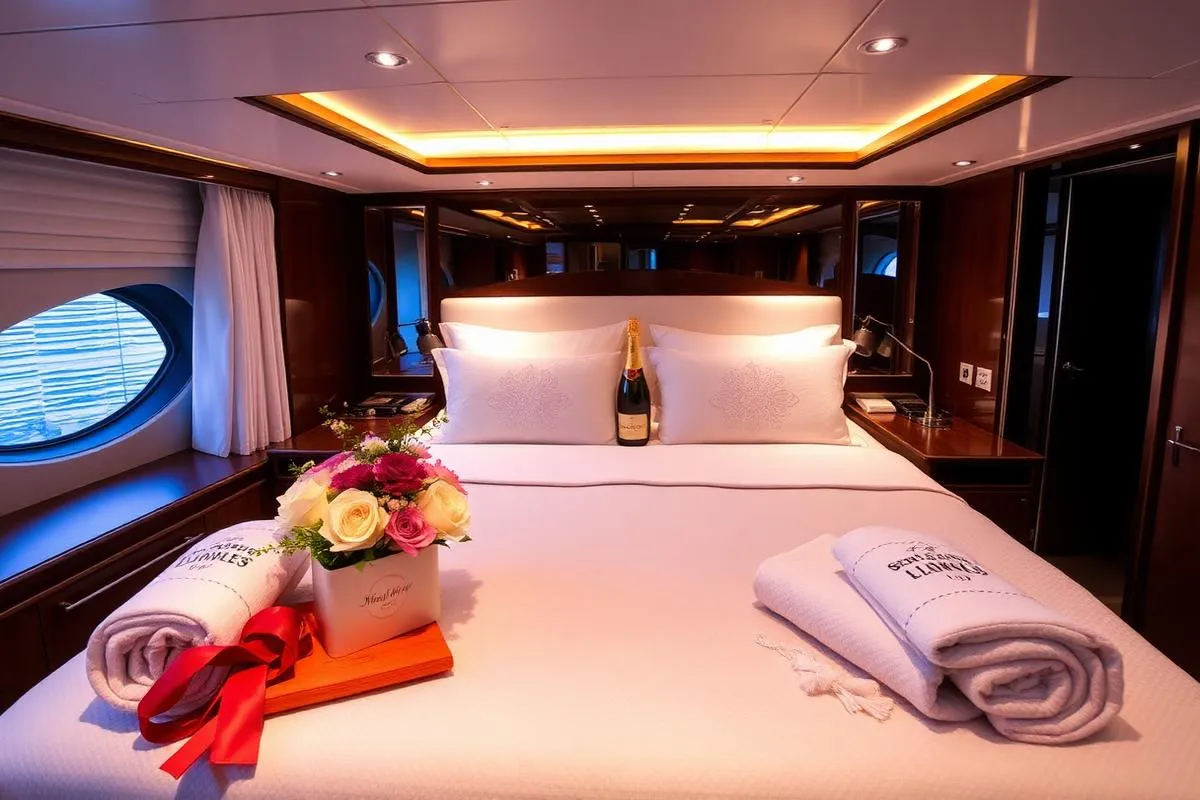
In luxury yachting, personalisation is not a marketing buzzword — it's the mechanism that converts first-time charterers into lifetime clients. When a guest returns to find their preferred champagne already chilling, their cabin configured exactly as they like it, and their favourite anchorage programmed into the first day's route, they experience something money can't easily buy elsewhere: the feeling of being truly known.
The Economics of Personalisation
Personalisation in the yacht charter context delivers measurable financial returns. Operators who maintain comprehensive guest profiles and act on them consistently report:
- 52% rebooking rate for guests who receive personalised experiences (vs. 18% industry average)
- 3.5 referrals per personalised charter compared to 0.9 for standard service
- Zero price sensitivity — returning guests rarely question rate increases if the experience justifies them
- Extended charter duration — repeat clients average 8.2 days vs. 6.5 for first-time guests
The cost of personalisation is minimal relative to its impact. Maintaining guest profiles, training crew to use them, and investing in small customised touches (specific wines, branded gifts, cabin configurations) typically costs €1,500–€3,000 per charter. Against an average charter fee of €80,000–€250,000, this represents less than 2% of revenue — with a return measured in multiples.
Building the Guest Intelligence System
The Guest Profile: Your Most Valuable Asset
Every interaction with a guest generates data that should be captured and preserved. The guest profile should include:
- Preferences documented — food, wine, activities, cabin setup, music, service style
- Observations logged — habits, routines, offhand comments, emotional triggers
- Milestones tracked — birthdays, anniversaries, children's ages, professional achievements
- Feedback integrated — specific praise or complaints from previous charters
- Social intelligence — dietary changes, new interests, relationship dynamics
This profile should be accessible to every crew member and updated after every charter. The stewardess who noticed that Mrs. Johnson always asks for her coffee at exactly 7:15am with oat milk and a dash of cinnamon should record this. The captain who overheard Mr. Johnson mention he'd love to try night fishing should note it. These details, accumulated over time, create an irreplaceable knowledge base.

Technology for Personalisation at Scale
While personalisation feels intimate, it should be systematised. CRM platforms designed for luxury hospitality — or adapted from them — enable operators to manage hundreds of guest profiles without losing the personal touch. These systems can trigger automated reminders: "The Anderson family's daughter turns 16 during their charter next month — arrange a birthday surprise."
Some operators develop custom digital preference platforms where guests can update their profiles before each charter, indicating any changes in dietary requirements, new interests, or specific requests. This self-service approach respects the guest's time while ensuring the crew has current information.
Personalisation in Practice: The Touchpoints That Matter
Before They Board
Returning guests should feel recognised from the moment they re-engage with your operation. Their pre-charter communication should reference their previous experience: "We know you loved the bay near Formentera last year — Captain Marco has found another hidden gem nearby for this trip." This signals continuity and attention.
The Welcome
A returning guest's welcome should feel different from a first-timer's. Less formal orientation, more "welcome home." The crew should greet returning guests by name without prompts. Their preferred welcome drink should be ready without being asked. Their cabin should reflect learned preferences: the specific pillow type, the water temperature they prefer for their morning shower, the book genre stocked on the nightstand.
Throughout the Charter
Daily personalisation is where the magic happens. The chef who remembers that this guest didn't enjoy sea bass last year and has replaced it with turbot. The stewardess who places fresh orchids (not roses — she remembers) in the master cabin each morning. The captain who schedules the itinerary to pass the guest's favourite snorkelling reef "by coincidence."
The Farewell and Follow-Up
Departing gifts should be personalised — not generic branded merchandise, but something that references a specific moment from the charter. A framed photograph of the family at that perfect sunset anchorage. A bottle of the wine they discovered at the hillside vineyard. These gifts demonstrate that the crew was paying attention, not just providing service.
The Referral Multiplier Effect
Personalised experiences don't just drive repeat bookings — they fuel the most powerful marketing channel in luxury chartering: word of mouth. When a guest tells friends about their charter, they don't describe the yacht's specifications. They describe how the crew remembered their daughter's favourite ice cream flavour. They describe finding their preferred newspaper ironed and waiting on the breakfast table. They describe the feeling of being known.
These stories are infinitely more persuasive than any advertisement or broker recommendation. A structured referral programme can amplify this organic advocacy, but the foundation is always the personalised experience that gives guests something worth talking about.
Common Personalisation Mistakes
Personalisation, done poorly, can backfire. Avoid these pitfalls:
- Over-personalisation — referencing private information in ways that feel invasive rather than attentive
- Stale data — acting on preferences from years ago without checking for changes (dietary needs evolve, relationships change)
- Inconsistency — delivering personalised touches on Day 1 but reverting to generic service by Day 4
- Performative personalisation — making a show of remembering details in ways that feel rehearsed rather than genuine
Building Personalisation Into Your Operating Model
Personalisation should be embedded in your operational DNA, not treated as an occasional bonus. Train crew to observe and record. Invest in systems that preserve institutional memory even when crew members change. Set personalisation standards and measure compliance. Celebrate crew members who demonstrate exceptional personalisation — and share best practices across your fleet.
The operators who master personalisation build something that cannot be replicated by competitors: a relationship with each guest that deepens over time. In a market where the yacht is the commodity and the experience is the product, personalisation is the ultimate competitive advantage.
Put this on autopilot. Our yacht marketing platform publishes your fleet across 11 channels, captures every inquiry and reports revenue per vessel. See how the engine works →