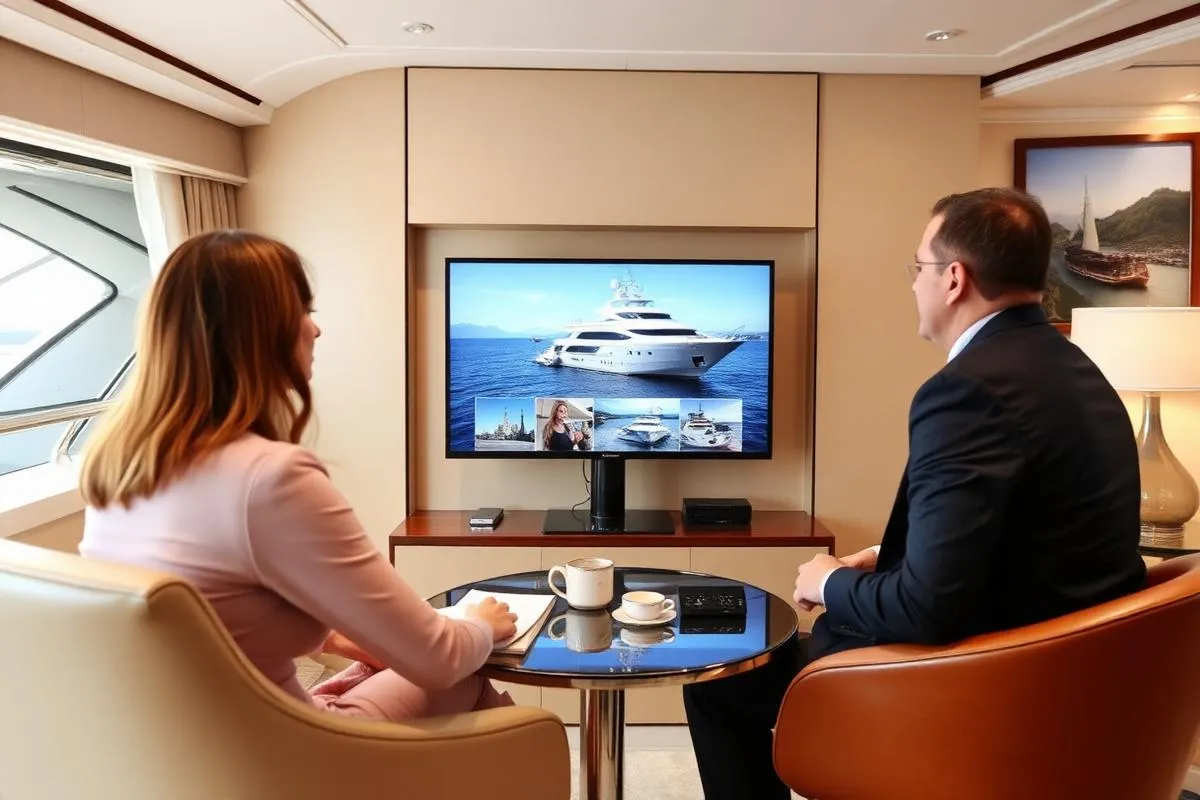
The charter experience begins long before a guest steps aboard. In luxury hospitality, the pre-arrival phase shapes expectations, builds emotional investment, and determines the baseline from which the onboard experience will be judged. Operators who excel at pre-charter planning and communication achieve 38% higher satisfaction scores and convert 45% more first-time guests into repeat clients.
The Pre-Charter Journey: A Strategic Framework
Think of the pre-charter phase as a funnel with four stages: confirmation, consultation, customisation, and anticipation. Each stage serves a distinct purpose and requires specific actions. Operators who manage all four stages systematically create a guest experience that feels effortless — precisely because it's been meticulously planned.
Stage 1: Confirmation (Booking + 48 Hours)
Within 48 hours of booking confirmation, the guest should receive a personalised welcome communication from the yacht's management. This isn't a system-generated email — it's a warm, branded message that acknowledges the specific charter (dates, yacht, cruising area) and introduces the key contacts: charter manager, captain, and chef.
The confirmation package should include a digital welcome booklet — a beautifully designed PDF or web page featuring the yacht's story, crew profiles with photographs, the cruising ground's highlights, and practical information about embarkation logistics. This document sets the professional tone and begins building the guest's emotional connection to the experience.
Stage 2: Consultation (4–6 Weeks Before)
The consultation stage is where operators gather the intelligence that enables personalisation. A structured preference questionnaire — sent digitally and followed up with a personal call or video meeting — covers:
- Dietary requirements and food preferences — not just allergies, but favourite cuisines, wine preferences, and dining style (formal vs casual)
- Activity interests — water sports experience levels, fitness interests, cultural curiosity, nightlife preferences
- Celebration dates — birthdays, anniversaries, achievements during the charter period
- Cabin preferences — pillow firmness, mattress topper requirements, room temperature preferences
- Children's needs — ages, interests, dietary requirements, nap schedules for young children
- Privacy and service style — some guests want constant attentive service; others prefer a more hands-off approach
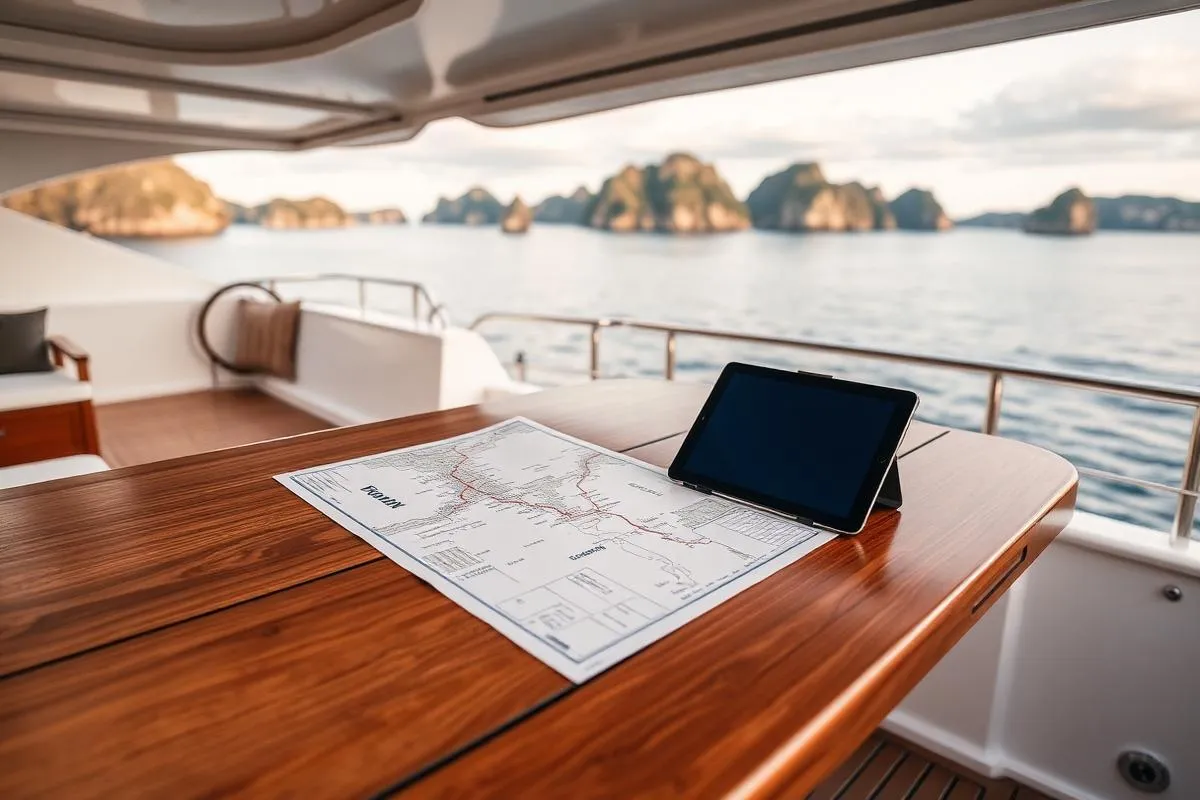
Stage 3: Customisation (2–3 Weeks Before)
Armed with guest preferences, the crew customises every aspect of the charter. The chef develops a tailored menu programme. The captain finalises the itinerary based on guest interests and weather forecasts. The stewardess prepares cabin configurations, provisioning lists, and personal touches.
At this stage, the charter manager should communicate the proposed itinerary and menu highlights to the guest — not for approval, but to build anticipation. "Chef Marco has planned a sunset dinner featuring local Sardinian seafood on Day 3, and Captain Elena has identified a stunning anchorage for the evening" creates excitement while demonstrating that the crew has taken the guest's preferences seriously.
Stage 4: Anticipation (Final Week)
The final week before embarkation is about building excitement to a crescendo. Send a short video message from the captain welcoming the guest to the yacht. Share a curated playlist that the crew has assembled for the week. Provide a weather briefing that's optimistic and practical. Confirm all logistics — transfers, embarkation time, port location — with precision.
This "anticipation marketing" is borrowed from the luxury hotel sector, where research shows that pre-arrival communication increases guest satisfaction by 15–20% independent of the actual stay quality. The psychology is simple: guests who arrive excited and well-informed are predisposed to have a positive experience.
Communication Channels and Cadence
Choose communication channels that match your guest's preferences. UHNW clients may prefer WhatsApp for its immediacy and informality. Corporate bookers may require email with professional formatting. Some guests will appreciate video calls; others prefer written communication exclusively.
The cadence matters too. Too frequent communication feels intrusive; too little feels neglectful. A general framework: major touchpoints at confirmation, 6 weeks out, 3 weeks out, 1 week out, and 2 days before embarkation. Between these touchpoints, communication should be responsive rather than proactive.
Managing Expectations: The Hidden Skill
Pre-charter communication serves a crucial function beyond personalisation: expectation management. Guests who understand that weather may require itinerary flexibility, that a yacht is more intimate than a hotel, and that certain ports require advance booking arrive with realistic expectations. This prevents the disappointment that arises from unmanaged assumptions.
Address potential concerns proactively but diplomatically. If the yacht's Wi-Fi has limitations, frame it positively: "Most of our guests tell us they appreciated the chance to disconnect, but we want you to know that we have reliable satellite connectivity for essential communication." This honesty builds trust and prevents negative surprises.
Technology Platforms for Pre-Charter Management
Leading operators invest in CRM systems that manage the pre-charter journey systematically. These platforms track guest preferences across multiple charters, automate communication touchpoints, and ensure that no detail is missed. The investment in a proper CRM — typically €5,000–€15,000 annually — pays for itself through improved guest satisfaction and operational efficiency.
Some operators have developed guest-facing apps that centralise all pre-charter information: digital welcome booklets, preference questionnaires, itinerary previews, crew introductions, and logistics details. These apps create a polished, professional impression while reducing the volume of email exchanges.
The Compound Effect of Pre-Charter Excellence
Operators who invest in pre-charter planning create a virtuous cycle. Better preparation leads to better onboard experiences. Better experiences generate better reviews and referrals. Better referrals attract higher-quality guests. Higher-quality guests are more appreciative of the detailed preparation — and the cycle reinforces itself.
The pre-charter phase is not an administrative burden — it's a strategic opportunity. The operators who treat it as such build charter businesses that thrive on reputation rather than relying on advertising.
Put this on autopilot. Our yacht marketing platform publishes your fleet across 11 channels, captures every inquiry and reports revenue per vessel. See how the engine works →