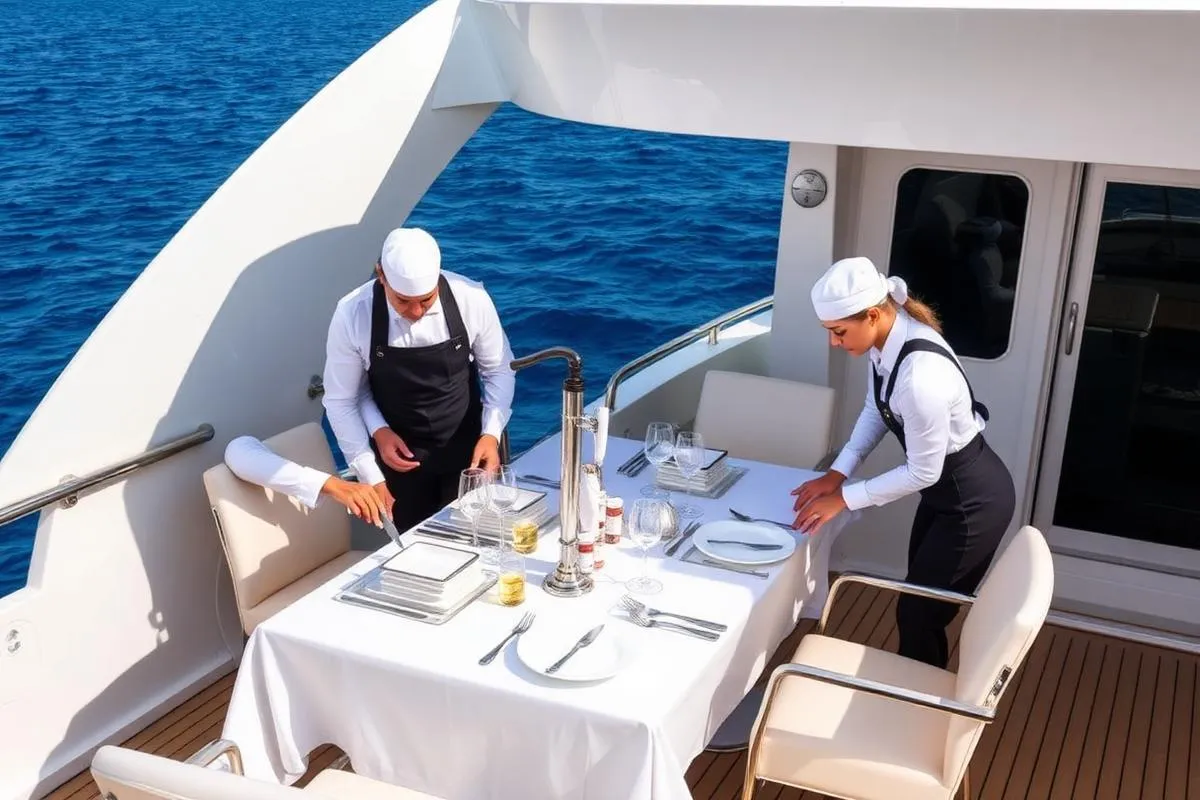
In luxury yacht chartering, the crew is the product. A €40 million superyacht with a mediocre crew will underperform a well-maintained 30-metre with an exceptional team. Crew training is the single most impactful investment a charter operator can make — yet it remains one of the most neglected areas of the business.
The Crew-Revenue Connection: Why Training Pays for Itself
The correlation between crew quality and charter revenue is direct and measurable. Yachts with crews rated 4.8+ stars on charter feedback forms achieve 28% higher occupancy rates and command 15–20% pricing premiums over comparable vessels with average crew ratings. In a market where a single charter week can generate €80,000–€300,000, even a modest improvement in crew performance translates to tens of thousands in additional annual revenue.
Yet the industry's approach to crew training remains largely informal. Most yacht crew learn on the job, absorbing habits — good and bad — from whoever happens to be onboard. This is the equivalent of a five-star hotel training its staff by having them shadow a colleague for a week. The result is inconsistency, which is the enemy of a premium brand.
The Five Dimensions of Crew Excellence
1. Anticipatory Service: Reading the Room
The hallmark of elite crew is the ability to anticipate needs before they're expressed. This isn't instinct — it's a trainable skill. The best stewardesses observe patterns: if a guest reaches for sunglasses at 10am, they ensure sunglasses and sunscreen are laid out by 9:45 the following day. If a guest mentions a fondness for a particular cocktail, it appears at sunset without being ordered.
Training anticipatory service requires structured observation frameworks. Crew should maintain detailed daily logs of guest preferences, habits, and offhand comments. These logs become the foundation of the personalisation programme that drives repeat bookings.
2. Emotional Intelligence and Guest Psychology
Charter guests arrive with diverse emotional states. Some want total privacy and minimal interaction. Others want the crew to feel like friends. Some are celebrating milestones; others are escaping stress. Emotionally intelligent crew members read these signals and adjust their approach accordingly.
This dimension of training draws from luxury hospitality psychology. Crew should understand concepts like "emotional labour" — the ability to maintain warmth and professionalism even when personally stressed or tired. They should recognise when a guest's irritability signals a need for space rather than additional attention. These nuances separate adequate service from the kind of experience that generates referrals.
3. Culinary Standards and Dietary Mastery
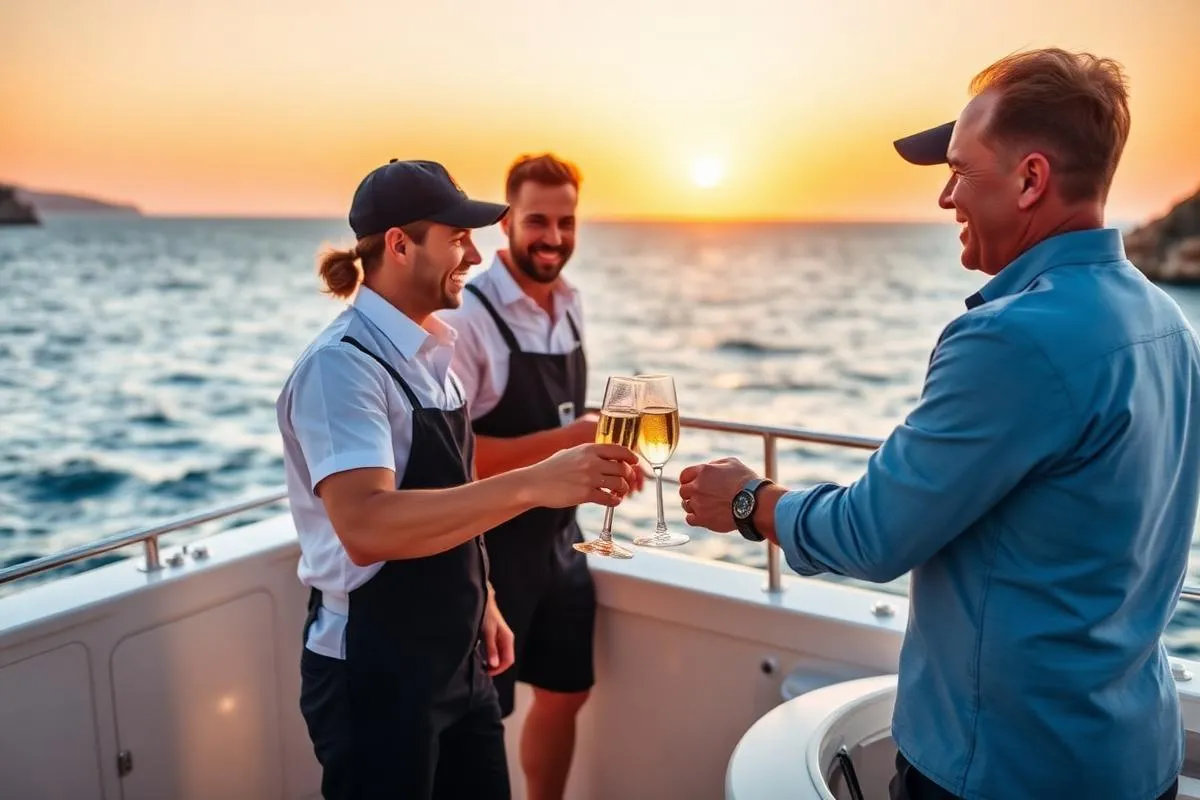
The charter chef role has evolved dramatically. Today's guests expect restaurant-quality cuisine adapted to complex dietary requirements — vegan, keto, halal, allergen-free — often within the same charter party. Training must cover not just technique but also dietary science, ingredient sourcing in remote locations, and the art of creating theatrical dining experiences.
Leading operators invest in annual culinary training intensives where chefs learn from Michelin-starred mentors, study emerging food trends, and practise provisioning in challenging logistics environments. The culinary experience is consistently the most-mentioned factor in positive charter reviews.
4. Technical Competence and Safety Culture
Technical excellence underpins everything. Guests may not consciously evaluate a captain's seamanship, but they feel the difference between a smooth approach to a busy marina and a stressful one. They notice when the tender is always ready, the Wi-Fi always works, and the air conditioning is perfectly calibrated.
Safety training extends beyond regulatory compliance. Crew should be trained to manage medical emergencies, respond to extreme weather, and handle security concerns with discretion. On a superyacht carrying guests worth billions, the crew's ability to manage risk without creating anxiety is a critical competency.
5. Cultural Sensitivity and Language Skills
The charter market is increasingly global. A yacht operating in the Mediterranean might host American guests one week, a Middle Eastern family the next, and a European corporate group after that. Each brings different cultural expectations around formality, privacy, dining customs, and social interaction.
Training should cover cultural protocols for key charter demographics. Basic language skills — even just greetings and common phrases in Arabic, Mandarin, Russian, and French — demonstrate respect and create connection. Understanding religious dietary requirements, prayer schedules, and modesty preferences is essential for operators targeting the growing Middle Eastern and Asian charter markets.
Implementing a Crew Training Programme
The Annual Training Calendar
Elite operators structure crew training around the seasonal calendar. During the low season (typically November–February for Mediterranean yachts), crew undertake intensive training modules covering service skills, culinary development, technical certifications, and team-building exercises.
This investment is not insignificant — a comprehensive annual training programme costs €15,000–€30,000 per crew member. But the return is measurable: operators who invest in structured training report 35% fewer negative guest feedback incidents and 40% higher crew retention rates. Given that replacing a single crew member costs €8,000–€15,000 in recruitment and onboarding, training is also a retention strategy.
Performance Measurement and Feedback Loops
Training without measurement is hope without strategy. Implement a structured feedback system that captures guest ratings across key service dimensions: responsiveness, proactivity, culinary quality, knowledge, and warmth. Share anonymised results with the crew and set improvement targets for each charter season.
The most sophisticated operators use mystery guest programmes — sending professional evaluators on occasional charters to provide detailed, objective assessments of crew performance. This approach, borrowed from luxury hotel chains, provides insights that guest feedback forms often miss.
The Competitive Advantage of Crew Investment
In a market where yacht hardware is increasingly commoditised — the same builders, same designers, same amenities — crew quality is the sustainable competitive advantage. A guest can charter a similar yacht from a dozen operators. They cannot easily replicate the experience created by an exceptional crew.
Operators who understand this dynamic invest accordingly. They pay above-market salaries to attract top talent. They provide career development pathways that encourage long-term commitment. They create a culture where excellence is expected and rewarded. The result is a self-reinforcing cycle: better crew attracts better guests, who pay higher rates, which funds better training and compensation.
For operators serious about building a premium charter brand, crew training isn't an expense line — it's the foundation of your guest experience strategy and, ultimately, your revenue model.
Put this on autopilot. Our yacht marketing platform publishes your fleet across 11 channels, captures every inquiry and reports revenue per vessel. See how the engine works →