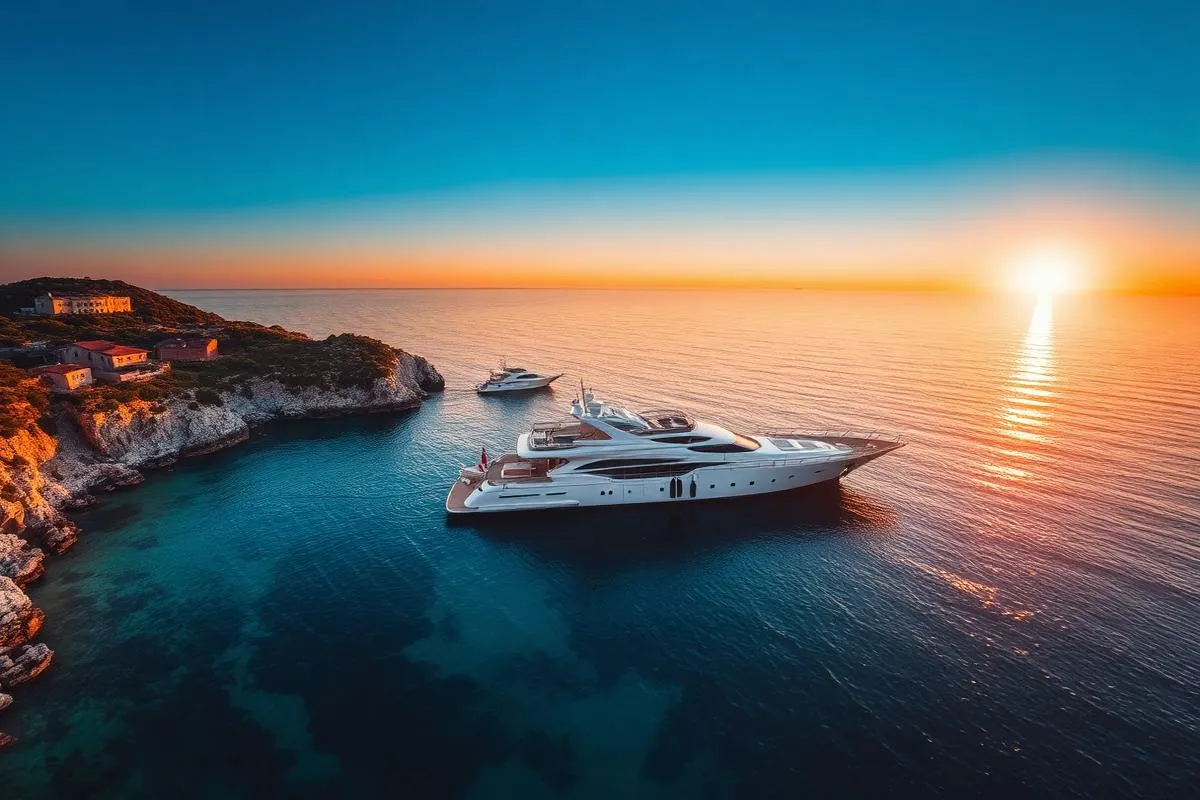
The moment a guest steps off the yacht, the clock starts ticking. Research in luxury hospitality shows that the emotional glow of an exceptional experience fades by 50% within two weeks and by 80% within six weeks. Operators who implement structured post-charter follow-up programmes capture this emotional momentum and convert it into repeat bookings, referrals, and long-term client relationships. Those who don't leave money on the dock.
The Post-Charter Window: Why Timing Is Everything
The post-charter phase has three distinct windows, each requiring a different communication approach:
- Immediate (0–48 hours) — the guest is still emotionally connected to the experience
- Near-term (1–4 weeks) — the experience is fresh but daily life is reasserting itself
- Strategic (1–6 months) — the emotional memory is fading but can be reignited with the right prompt
Each window demands specific actions. Miss the immediate window, and you lose the peak emotional engagement. Miss the near-term window, and the referral opportunity diminishes. Miss the strategic window, and the rebooking probability drops sharply.
The Immediate Window: 0–48 Hours
The Thank-You Call
Within 24 hours of disembarkation, the charter manager or yacht owner should make a personal phone call to the primary guest. Not an email — a call. This gesture communicates genuine care and provides an opportunity to gather fresh, unfiltered feedback while the experience is vivid.
The call should be conversational, not scripted. Ask open-ended questions: "What was the highlight of the week?" "Was there anything we could have done differently?" "Did the crew take good care of you?" Listen carefully — the answers contain invaluable intelligence for crew development, itinerary refinement, and personalisation of future charters.
The Professional Photo Gallery
Within 48 hours, deliver a professionally curated photo gallery from the charter. This isn't a dump of 500 iPhone photos — it's a carefully selected collection of 30–50 images that tell the story of the week. Include drone shots, candid moments, scenic anchorages, and the culinary highlights. Present them in a branded, password-protected online gallery or a physical album for UHNW clients.
These photos serve dual purposes: they give the guest shareable content (amplifying your referral potential) and they reignite the emotional connection every time the guest revisits them. Some operators commission a short highlights video — two to three minutes set to music — that guests share on social media, generating organic exposure worth thousands in equivalent advertising.
The Near-Term Window: 1–4 Weeks
The Feedback Survey
Send a structured feedback survey within the first week. Keep it concise — 10–12 questions maximum — covering key experience dimensions: overall satisfaction, crew performance, culinary quality, itinerary, yacht condition, and likelihood to recommend. Use a 1–10 scale for quantitative metrics and include two or three open-text fields for qualitative feedback.
Share relevant feedback with the crew — both positive and constructive. Crew who receive specific praise ("Mrs. Anderson specifically highlighted your pasta-making class as her favourite moment") are motivated to maintain those standards. Crew who receive constructive feedback delivered respectfully have the opportunity to improve before the next charter.
The Personalised Rebooking Offer
Within three to four weeks, present a personalised rebooking offer. This isn't a generic promotion — it's a tailored proposal based on what you know about the guest's preferences: "Based on your love of the Croatian coast, we've identified a spectacular itinerary for next September that includes the truffle festival in Istria and the Dubrovnik wine route. Early booking ensures your preferred dates."
The rebooking offer should include a time-limited incentive — not a discount, but added value: a complimentary night, an upgraded wine package, or a pre-arranged shore excursion. The goal is to convert while the experience is still emotionally resonant.
The Strategic Window: 1–6 Months
Seasonal Communications
Maintain engagement through the off-season with curated content that keeps your yacht and operation top of mind. Monthly or bi-monthly communications should include destination previews for the coming season, new crew introductions, yacht refit updates, and industry insights. Each communication should feel personally relevant, not like a marketing blast.
Milestone Recognition
Using the guest profile data captured during and after the charter, recognise personal milestones: birthdays, anniversaries, and the anniversary of their charter ("One year ago today, you were watching the sunset from the aft deck in Mykonos — we hope the memory still brings a smile"). These touchpoints demonstrate genuine relationship investment and keep the rebooking conversation warm.
Exclusive Access and Priority Booking
Give previous guests priority access to new yachts, prime-season dates, and special offerings before they're released to the broader market. This exclusivity reinforces the relationship and creates urgency: "We wanted to offer you first choice of dates for our new yacht launching in May. Prime weeks in July and August are expected to book within days of the general release."
Building the Retention System
CRM and Automation
A proper CRM system is essential for managing post-charter follow-up at scale. Configure automated triggers for each touchpoint: thank-you email at 24 hours, photo gallery at 48 hours, feedback survey at 7 days, rebooking offer at 21 days, and seasonal communications monthly. Automation ensures consistency; personalisation ensures warmth.
Crew Involvement
Encourage crew to maintain personal connections with guests — a WhatsApp message from the captain sharing a photo of a sunset from "their bay," a note from the chef about a new recipe inspired by their dietary preferences. These organic touchpoints complement the structured programme and reinforce the personal bond that drives loyalty.
Measuring Retention Performance
Track key retention metrics rigorously:
- Rebooking rate — percentage of guests who charter again within 24 months
- Time to rebook — average months between disembarkation and next booking
- Referral rate — percentage of guests who generate at least one qualified referral
- Lifetime value — total revenue per client across all charters
- Net Promoter Score — the single best predictor of future behaviour
The operators who treat post-charter follow-up as a strategic programme — not an afterthought — consistently outperform their peers on every metric that matters. In an industry where acquiring a new client costs 5–7× more than retaining one, the post-charter phase isn't just important — it's where the real revenue is generated.
Put this on autopilot. Our yacht marketing platform publishes your fleet across 11 channels, captures every inquiry and reports revenue per vessel. See how the engine works →